Berisha: Businesses are in a deep crisis, we are on the brink of bankruptcy
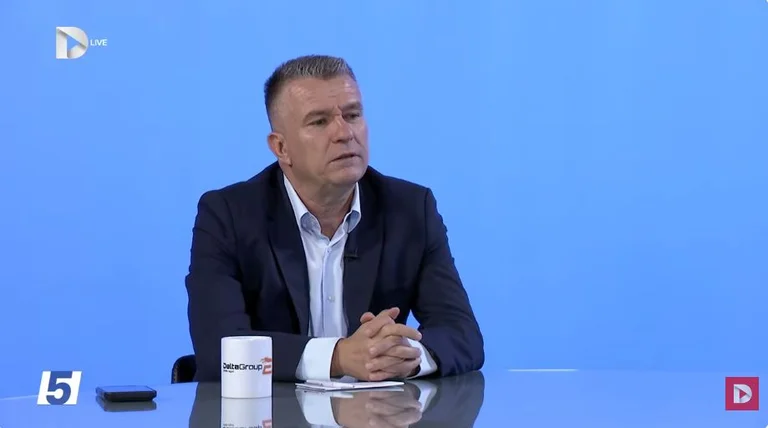
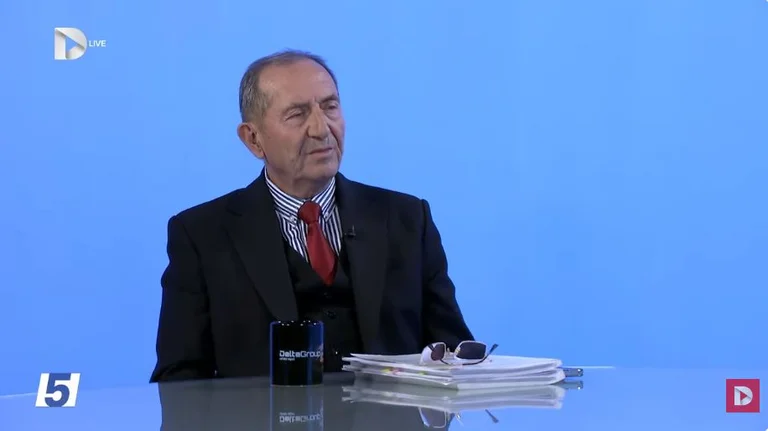
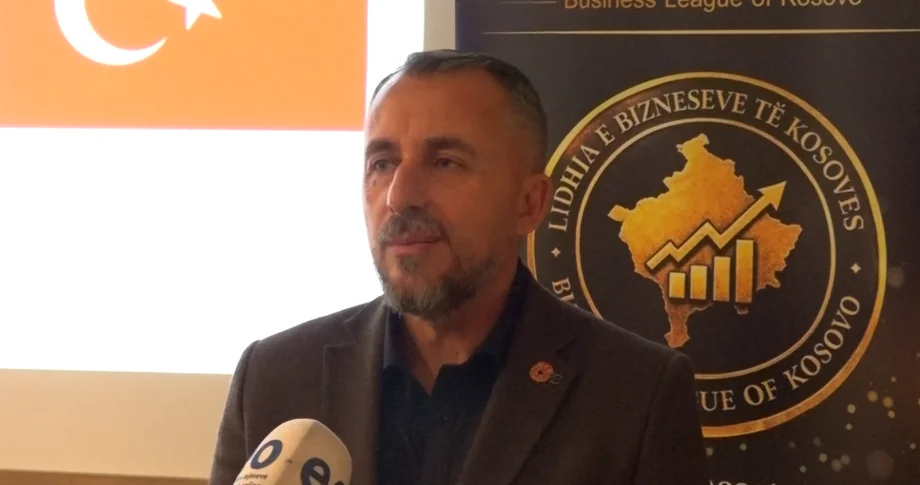
The chairman of the Kosovo Quarrymen’s Association within the Kosovo Business Alliance, Gëzon Berisha, has said that businesses in Kosovo are facing a deep crisis, stressing that the difficulties have increased as a result of inflation, rising prices for petroleum products and electricity, as well as the lack of harmonization of laws. […]
The chairman of the Kosovo Quarrymen’s Association within the Kosovo Business Alliance, Gëzon Berisha, has said that businesses in Kosovo are facing a deep crisis, stressing that the difficulties have increased as a result of inflation, rising prices for petroleum products and electricity, as well as the lack of harmonization of laws.
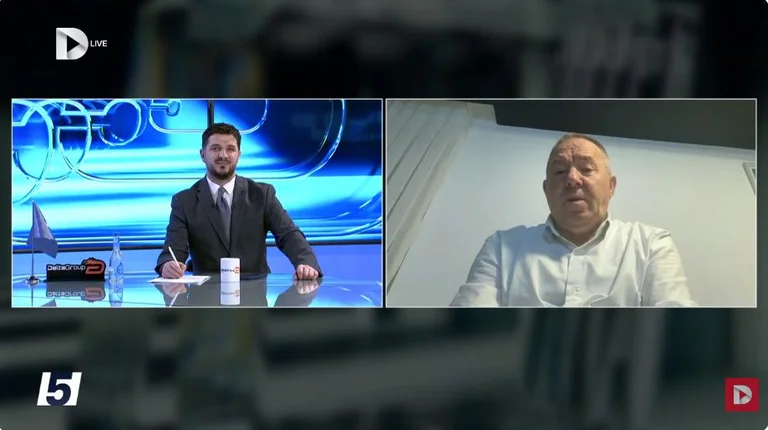
In an interview with Ekonomia Online, Berisha said the situation had worsened to such an extent that, in his view, businesses were on the brink of bankruptcy because of successive crises.
“In reality, businesses are in a crisis that, I can say, they have never faced at a worse level since the post-war period; they are all deeply affected, considering that prices and inflation have risen considerably, as have the prices of petroleum products, which are our main input, and electricity. We are also facing many difficulties because laws have not been harmonized, which has had a major impact on us; in other words, it has made our work more difficult. It is so severe that I can say, in the full sense of the word, that we are on the brink of bankruptcy because of the successive crises that have hit us,” he said.
He said that 2026 was a crisis year for businesses and that, in his view, the consequences of this situation would also be felt in 2027.
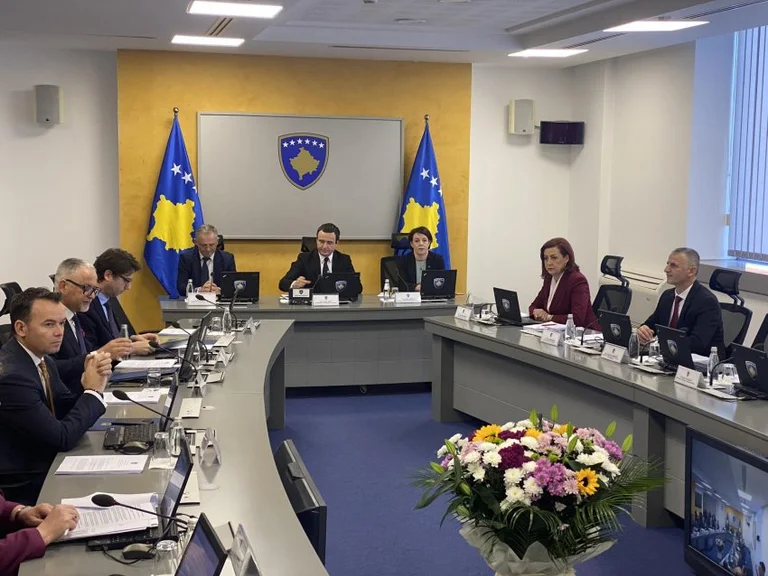
Berisha called on Kosovo Prime Minister Albin Kurti to meet with business representatives to discuss resolving the problems they are facing.
“In reality, we are not making very high profits, but neither are we making low profits. 2026 is a year—a year of crisis—and I can say that its effects will also be felt in 2027, with very serious consequences. I would call on the prime minister and the government to engage with us and receive us for a meeting, so we can discuss resolving the deadlock, because Kosovo’s economy is in a very serious deadlock. In other words, things were not like this before, but because of the many difficulties that have accumulated, we are in a crisis, truly in a very serious crisis. I would ask the prime minister to pay more attention to us,” he said.
The chairman of the Quarrymen’s Association also spoke about legislative problems, particularly in the mining and minerals sector, saying that businesses have for years faced a lack of licenses, permits and decisions.
“To begin with, apart from the crisis and high inflation, we also have many problems with laws that have not been harmonized. I am also referring to the mining and minerals sector, which I belong to; we have been without licenses for years—in other words, without permits or decisions—and this has made our work more difficult because the laws have not been harmonized. There are several laws that are not consistent with one another, and we are suffering the consequences,” Berisha told Ekonomia Online.
According to Berisha, the government should take businesses’ problems more seriously, considering the economy to be the state’s main pillar and a source of budget revenue.
“In other words, I would ask the government in this case to take us much more seriously, considering that the economy is the main pillar of the state, filling the state budget and the state coffers. If we do not develop the economy, then the consequences will be very serious, including, I can say, for the very existence of a state. If we do not have a strong economy, if we do not have businesses, if the budget is not funded,” Berisha said.
Berisha said companies take out loans from banks and invest this money in Kosovo, while through their activities they contribute to the budget by paying taxes and customs duties, and pay workers’ wages.
He warned that the current crisis is also making it difficult for businesses to meet their financial and tax obligations, increasing the risk that companies will face even greater problems.
“Each of us—I can say every company—has millions and millions in loans. We invest the loans we take from banks in Kosovo, pay taxes, pay customs duties, pay workers’ wages, and now, with this crisis that has hit us, we are facing very serious difficulties, including with paying our obligations, taxes and loans. We risk all ending up on the blacklist, and then, in other words, reaching the point of—let’s not say bankruptcy for—the strongest companies that keep the state budget afloat,” he said.