“Fibermaxxing,” the food trend bringing fiber back into the spotlight
After the popularity of protein, attention in the world of nutrition is increasingly turning to fiber as well. The “fibermaxxing” trend, which went viral on social media in 2025, continues to fuel interest in foods that aid digestion and gut health. Oats, fruit, vegetables, beans and seeds are among the foods frequently appearing in […]
After the popularity of protein, attention in the world of nutrition is increasingly turning to fiber as well. The “fibermaxxing” trend, which went viral on social media in 2025, continues to fuel interest in foods that aid digestion and gut health.
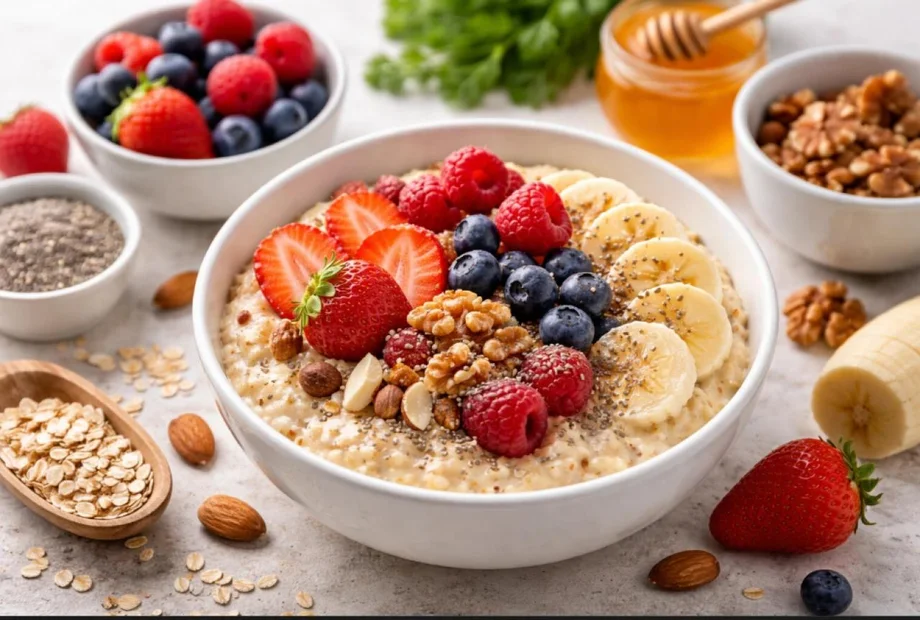
Oats, fruit, vegetables, beans and seeds are among the foods frequently appearing in recipes associated with this trend. The idea is simple: include more fiber in everyday meals without relying only on protein-rich foods.
Fiber is important for the normal functioning of the digestive system and can help prevent constipation. Some types of fiber also contribute to lowering LDL cholesterol and maintaining a feeling of fullness for longer.
However, the importance of fiber is nothing new. What has brought the topic back into the spotlight is the way social media is presenting a fiber-rich diet as a practical everyday habit.
You do not need to buy special products to follow “fibermaxxing.” A few small changes can help:
- Choose oats for breakfast and add fruit or chia seeds.
- Include beans, chickpeas or lentils at lunch.
- Eat more fruit and vegetables throughout the day.
- Swap white bread for whole-grain bread from time to time.
Experts recommend increasing fiber intake gradually and drinking enough water, since sudden changes can cause bloating and digestive discomfort.
But protein remains essential for building and repairing tissues, while fiber serves other important functions. A balanced diet should include both, along with fruit, vegetables, whole grains and healthy fats.