ERO acknowledges that investments in KEDS have not been audited in the field; audit planned for 2027
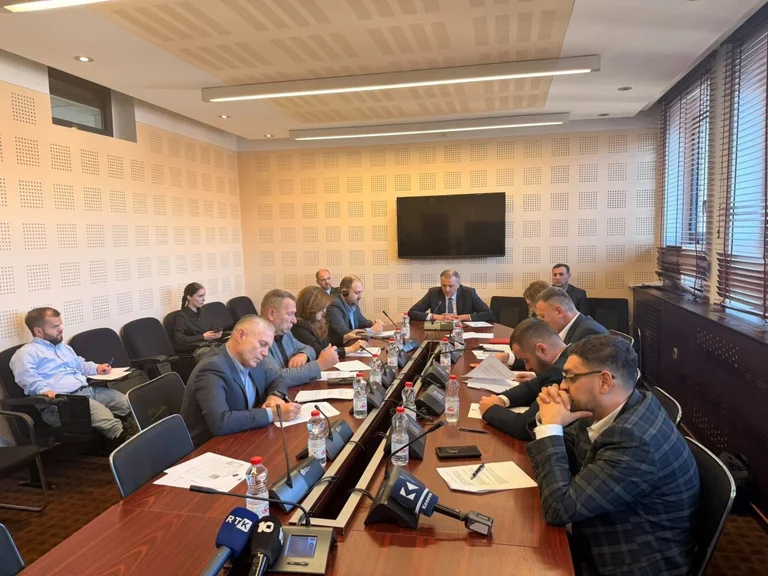
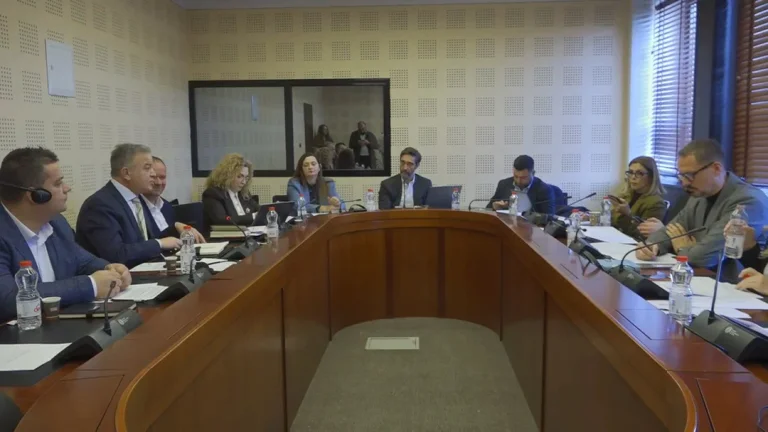
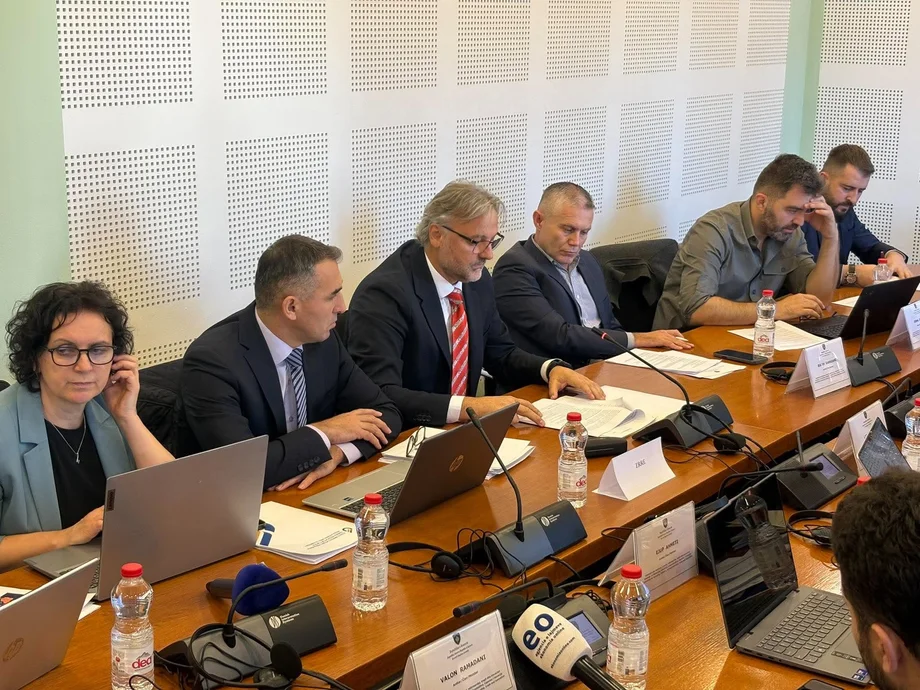
At a meeting of the Committee on Economy, Industry, Entrepreneurship, Trade and Innovation, where the 2025 Annual Work Report of the Energy Regulatory Office (ERO) was reviewed, representatives of the ERO Board reported to committee members.
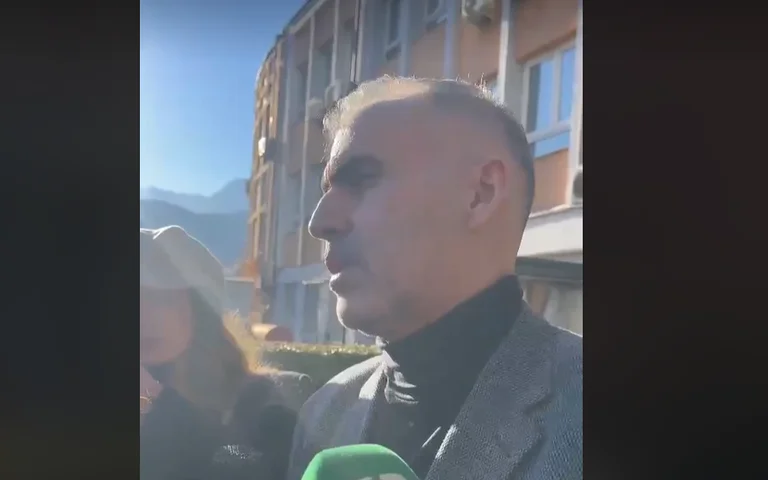
During the discussion, committee member Ilir Kërçeli of the Vetëvendosje Movement raised various issues related to spending in the energy sector, investments in the distribution network, energy losses, and the impact of these costs on citizens’ bills.
ERO Board Chair Driton Gojani was asked about these issues, and in his responses spoke about the exceeding of import costs, the lack of field audits of investments, and the institution’s plans for greater monitoring of operators.
Speaking about the exceeding of import costs and their impact on energy tariffs, Gojani said that price changes in the import market are the main reason for these overruns.
“So, regarding the first question and the fourth question: ERO’s poor planning and KEK’s revenue overruns. This is more related to import prices. That is, we have a price we call the permitted import price, which for 2025 was set at 146 euros. However, prices can usually vary during the winter season—that is, they can rise. We saw this in October, when the average price was approximately 240 euros per megawatt-hour. That is why the overruns occur. These overruns usually have to be covered when the tariff review begins, which is now starting at the beginning of December; they are carried forward to the following year. That is, the overruns only relate to cases where the import price varies in relation to the price permitted in the tariffs. That is the difference,” Gojani stated.
Regarding KEDS investments and the lack of field audits, the ERO Board chair acknowledged that no such audit had been conducted to date, noting that an open tender for this purpose had failed due to issues related to a conflict of interest.
“Regarding KEDS investments, we are aware of the need for an audit. It is true that there has not previously been an audit by KEDS or by ERO of investments in the network, in the distribution network, or indeed in the transmission system operator’s network. However, ERO has, or rather had, reviewed the investments, but not conducted a field audit. For this reason, an audit was also included among ERO’s operating expenses. Although a tender was opened to find the company that would carry out the audit—the ERO tender to audit investments in KEDS and KOSTT—it failed because there were conflict-of-interest issues: it appears that someone who was part of the tender had also previously been part of one of the operators, and for that reason it was simply discontinued. We have now planned again for 2027, as part of operating expenses, to audit investments in the distribution system operator and the transmission system operator, and we will make every effort to finally obtain an audit report and have the investments audited,” Gojani said.
He also spoke about ERO’s capacity and the need to increase its staff, announcing the possibility of establishing a separate department to monitor operators and investments in the energy sector.
“Also, I can assure you that we have planned for approximately 41 staff members at ERO. We currently have around 25, and we anticipate that in the future a monitoring department will be one of the departments, although that remains a matter for discussion with the other board members and staff. That means we hope to monitor the current technical and commercial codes, quality standards, and investments in both operators, KEDS and KOSTT,” Gojani said./EO