EU economy outperforms expectations, but inflation remains high due to energy
The European economy is showing greater resilience than anticipated, but rising energy prices continue to weigh on households and businesses.
The economy of the European Union is performing better than anticipated, despite international tensions and uncertainty in energy markets.
According to the European Commission's forecasts, the EU economy is expected to grow by 1.4 percent in 2026, exceeding previous estimates. The eurozone is also expected to record economic growth, although at a slower pace.
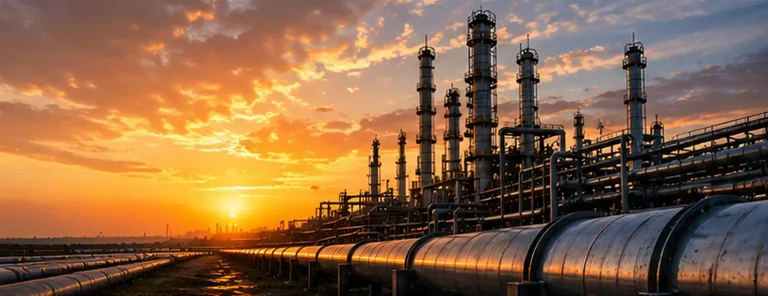
However, the economic improvement is not being accompanied by relief in the cost of living. Rising prices for oil, gas and electricity continue to put pressure on the economy and consumers.
This situation is directly affecting household spending, while businesses are facing higher costs for production, transport and services.
Another concern is the impact of energy prices on food products, as higher transport and production costs may also be reflected in the prices consumers pay.
Despite the resilience of the labour market and economic growth that is better than expected, inflation remains one of the main challenges for European countries.
The European Commission warns that developments in international energy markets will continue to affect the EU economy, while reducing inflation is expected to take more time.
Thus, Europe is facing a twofold situation: the economy is growing better than forecast, but citizens continue to feel the effects of high prices and the cost of living.