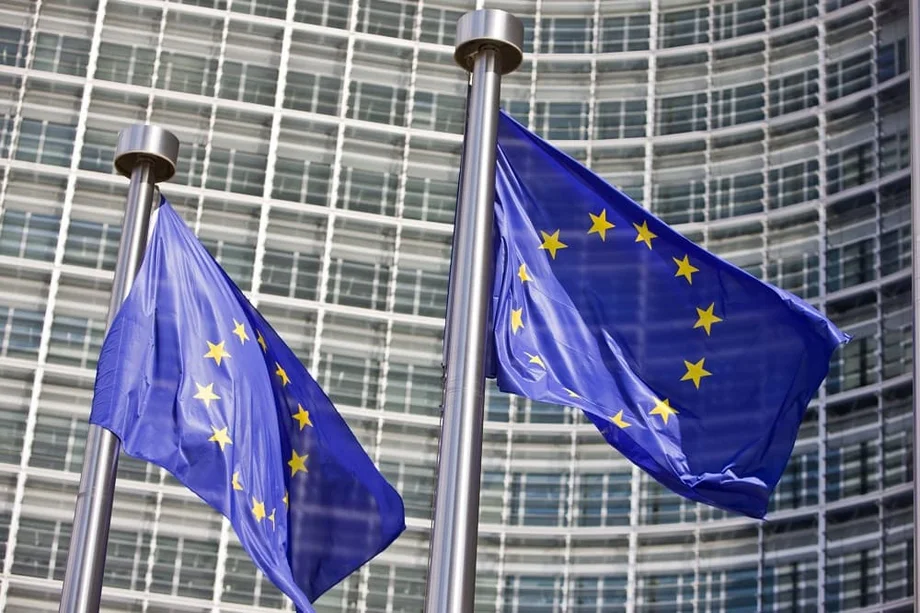
EU–Western Balkans Summit Again Without Serbia: Brussels Optimistic About New Leadership
Serbia will “most likely” not align itself with the final declaration of the European Union–Western Balkans summit, as Serbia’s acting president and speaker of parliament, Aleksandar Čupić, will not attend the meeting.
Senior EU officials involved in preparations for the summit, which will be held on Wednesday, November 25, in Brussels, announced this.
The final declaration states, among other things, that glorifying war criminals, denying genocide and historical revisionism are not in line with the EU’s fundamental values.
The countries of the region are called on to foster respect and solidarity for all victims, and to respect the decisions of international and domestic courts on war crimes.
Čupić took office last week, after being elected speaker of the Serbian parliament on November 19.
He is also serving as the president of the country, after Aleksandar Vučić resigned in September, when he decided to run for prime minister.
EU expresses understanding over Čupić’s absence
Diplomats in Brussels expressed understanding of Čupić’s decision not to attend the summit.
The summit was the first opportunity for the winners of October’s elections in Serbia to take part in a high-level European political meeting.
Officials involved in the summit preparations said Čupić’s absence was understandable, given the political transition in Belgrade.
They added that they view relations with Serbia’s future authorities optimistically.
EU officials confirmed that the president of the European Council, Antonio Costa, had had a “very good conversation” with Čupić.
The latter had informed Costa that the decision not to attend the summit was related to “urgent developments” in the Serbian parliament.
According to these sources, during the phone call, the two agreed to meet at the “earliest next opportunity”.
At that meeting, they are expected to discuss Serbia’s rapprochement with the European Union, as well as the priorities set out by the Student List—above all, the fight against corruption and the rule of law.
“Overall, we view relations with the Serbian Government and its future authorities very optimistically,” an EU official said.
The Student List scored a convincing victory over the Serbian Progressive Party (SNS) in the October 25 elections in Serbia and, with 140 MPs, secured an absolute majority in parliament.
What does the EU expect from Serbia’s new leadership?
According to European officials, EU member states will expect the future authorities in Belgrade to do the same things they demanded of the previous government: uphold the rule of law, pursue a clear strategic orientation and make progress in the dialogue on normalising relations with Kosovo.
Alignment with the EU’s common foreign and security policy, including sanctions, remains an ongoing demand by Brussels of Belgrade.
According to EU data, Serbia continues to have the lowest level of alignment in the region—around 59 percent.
However, European officials understand that the new authorities need time to consolidate and are focused on domestic issues and the rule of law.
The European Commission has long assessed that cluster 3 in the accession negotiations with Serbia is technically ready to be opened, but the member states have yet to reach agreement on this.
“The rule of law, the fight against corruption, media freedom—all of these will help restore a degree of trust among the member states,” a European source said, speaking about the possibility of unblocking Serbia’s EU accession negotiations.
EU awaits formation of institutions in Serbia to continue dialogue with Kosovo
As for the dialogue with Kosovo, the EU apparently does not plan to organise a meeting at leaders’ level before new institutions are formed in Serbia.
EU officials confirmed that the EU’s chief diplomat, Kaja Kallas, is ready to convene a high-level meeting, but that “stable institutional partners” are needed for this.
“It will take a little time for Serbia to have a government, and then we will continue the discussions,” an official said.
Part of the summit’s final declaration is also devoted to the dialogue between Kosovo and Serbia.
It emphasises that the lack of progress in normalising relations is slowing both sides’ path towards the European Union.
EU leaders will call for the implementation of all agreements reached as part of the dialogue, warning that access to funding from the Growth Plan is conditional on a constructive approach to this process.
Second consecutive summit without Serbia
This is the second regular summit to be held in Brussels without representatives of Serbia.
In December last year, Serbia’s then-president, Aleksandar Vučić, boycotted the summit in response to the failure to open cluster 3 in the EU accession negotiations.
On that occasion, too, Serbia did not align itself with the summit’s final declaration./Radio Free Europe