Fetoshi: Serbia under “pressure” to adopt a more threatening policy than Vučić’s
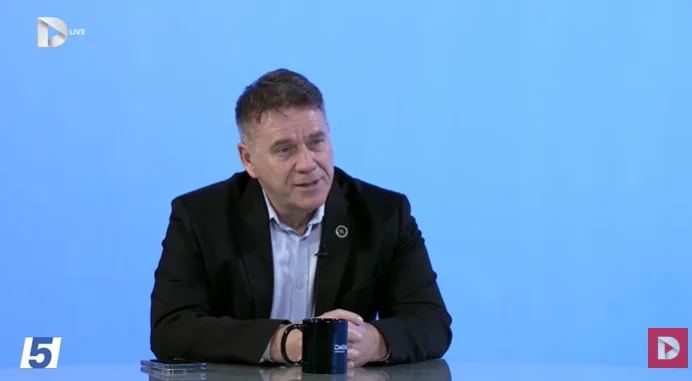
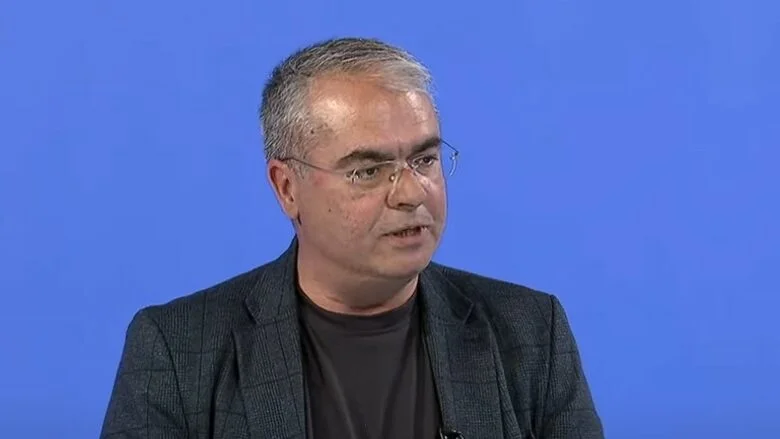
The director of the “Octopus” Institute, Arben Fetoshi, has assessed that the Student List in Serbia is facing political pressure to pursue an even more confrontational foreign policy than that of the current president, Aleksandar Vučić, even before the new government is formed.
In an analysis, Fetoshi said that the Serbian National Council (SNV), which supported the Student List in the elections, is calling for the return of the “Ministry for Kosovo and Metohija”, arguing that this is necessary to protect Serbia’s territorial integrity.
Fetoshi warned that such an approach could continue to challenge the West and jeopardize peace and stability in the Balkans.
"Immediately after the election of the Speaker of Parliament, and before the new government in Serbia has even been formed, the programmatic continuity of the “students” in foreign policy is facing “political pressure” to adopt an even more confrontational approach than Vučić’s.
An organization called the Serbian National Council (SNV), which supported the Student List in the elections and is led by a general accused of war crimes in the Meja massacre (April 27, 1999), has called for the return of the “Ministry for Kosovo and Metohija” as a necessary step to raise the level of “protection of Serbia’s territorial integrity” (N1, 23.11.2026).
After filing a criminal complaint (together with the SNF and the “Otadzbina” Movement) against Vučić, Brnabić, Dačić, Petković and Rakić (KoSSev, 16.11.2026) for allegedly “damaging Serbia’s interests in Kosovo”, the council led by Momir Stojanović, former head of military security for the Priština Corps (1996-1999) and former director of Serbia’s military intelligence agency—the VBA (2004)—appears to be in line with the Student List’s pledges to “prosecute regime representatives who have reached and implemented unconstitutional agreements to Serbia’s detriment” (Program, Kosovo and Metohija).
On this basis, the statement is not simply a power calculation for “a ministry closer to the border with Kosovo”, but “pressure” to “legitimize” an even more threatening approach to Serbia’s territorial claims.
Along the same lines, but from another point of view on expansionist aims, is Milorad Dodik’s threat to block every decision in Bosnia and Herzegovina until the Constitutional Court’s ruling is overturned. The ruling declared invalid the veto of the Serb member of the Presidency, Željka Cvijanović, and the support of the Republika Srpska Assembly concerning appointments to the Commission for the Preservation of National Monuments (Constitutional Court, U-17/26).
“After a long and painful illness, Bosnia and Herzegovina died today. The crippled and illegitimate Constitutional Court has crossed all the red lines,” the Kremlin ally and leader of secessionist politics wrote on X, threatening that “patience is running out” (Dodik on X, 20.11.2026).
Such rhetoric, which threatens the Dayton Agreement, can likewise be read as “pressure” necessary to “justify” the approach of the new government in Serbia.
The alignment of his aims with the “student” program, especially in disputing the exercise of the powers of the International High Representative and the right of veto as an instrument of obstruction (Hazim Bašić, 23.11.2026), signals the geopolitical continuity of the new government in Serbia, continuing to challenge the West and threatening peace and stability in the Balkans,” Fetoshi wrote.