Kabashi: The decision not to approve the law on the Specialist Chambers is the best one
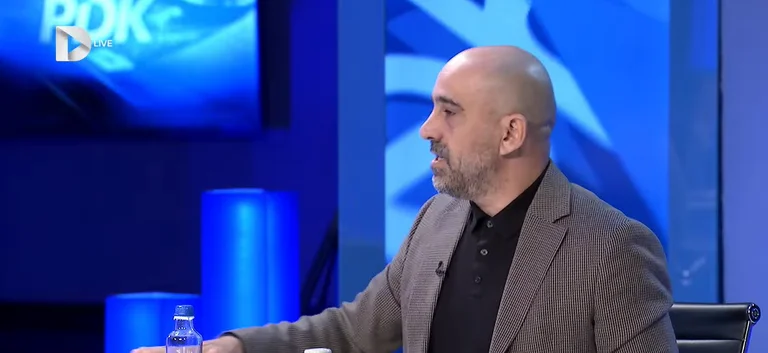
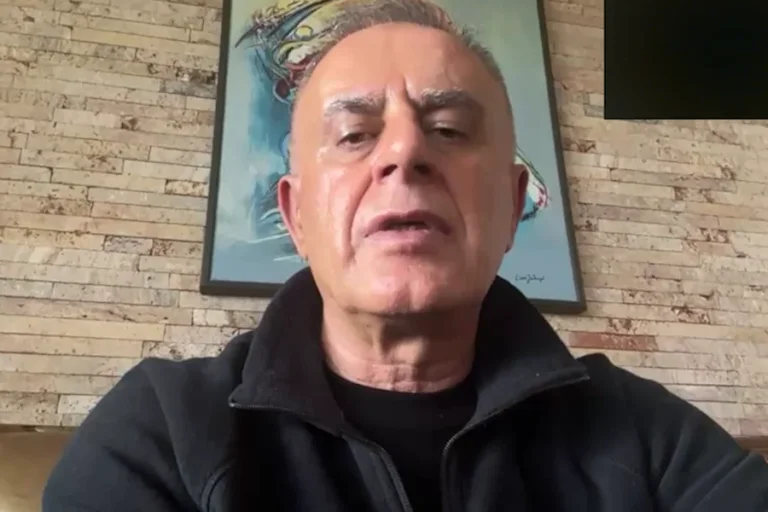
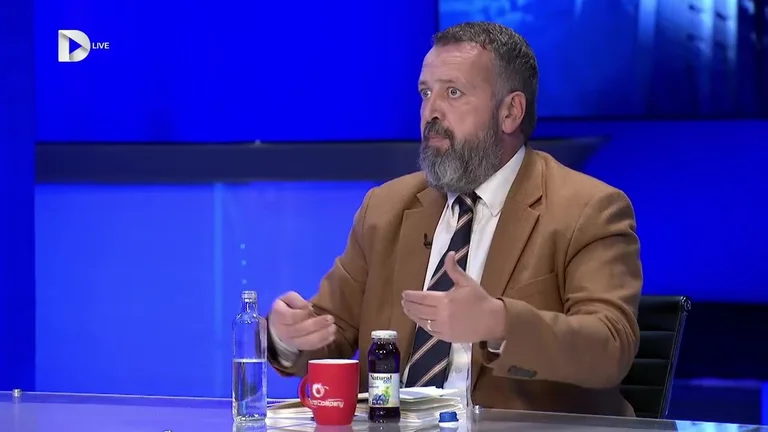
Journalist and analyst Bekim Kabashi has assessed that the decision not to proceed with approving the Law on the Specialist Chambers, but instead to start drafting a new law from scratch, is the best solution, since the law approved earlier had been challenged by the president due to several concerns.
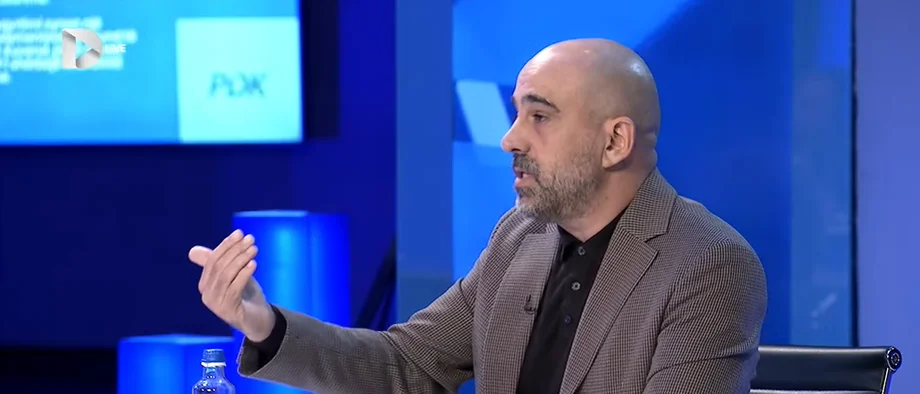
On Debat Plus, Kabashi explained that after the president returned the law, the PDK had considered several ways to proceed, including the possibility of amending it.
According to him, one option was for the Assembly to override the president’s veto and bring the law into force, thereby opening up the possibility of amending it later. However, he said that the procedure and constitutional restrictions made this process more complicated.
“I think they made the best decision by not approving this law. This law was challenged by the president. The president did not sign it; she found several errors. It could have been changed in two ways. By amending the law... The PDK noticed that the law had several issues and asked the president to return it so the law could be changed. Initially, this approach was considered because, since the president had not specified her objections to the law, you cannot amend the law and send it back to the president for a vote, because a decision of the Constitutional Court does not allow it,” Kabashi said.
He said another option that had been considered was overriding the president’s veto, after which the Assembly could return the law for amendment, but in the end an agreement was reached not to proceed with that law at all.
“And the way the change could have been made was what the PDK initially requested: to reject the president’s veto and bring it into force. And then the Assembly has the right to return an approved law to the Assembly for amendment. This approach was considered. And in the end, they reached an agreement with the LVV not to proceed with this law at all, but to reject it. And to start drafting a law on this matter from scratch,” he said.
Kabashi said the rush to approve the law was linked to the political situation in the country, specifically the process of electing the president and the risk of new elections being held.
According to him, at the time there were fears that the country could be left without an Assembly and without members of parliament who could vote on the law, plunging Kosovo into another political crisis.