The Netherlands warns of the risks of AI smart glasses
The Dutch data protection authority has uncovered serious problems with the privacy, security and reliability of artificial intelligence in six smart-glasses models
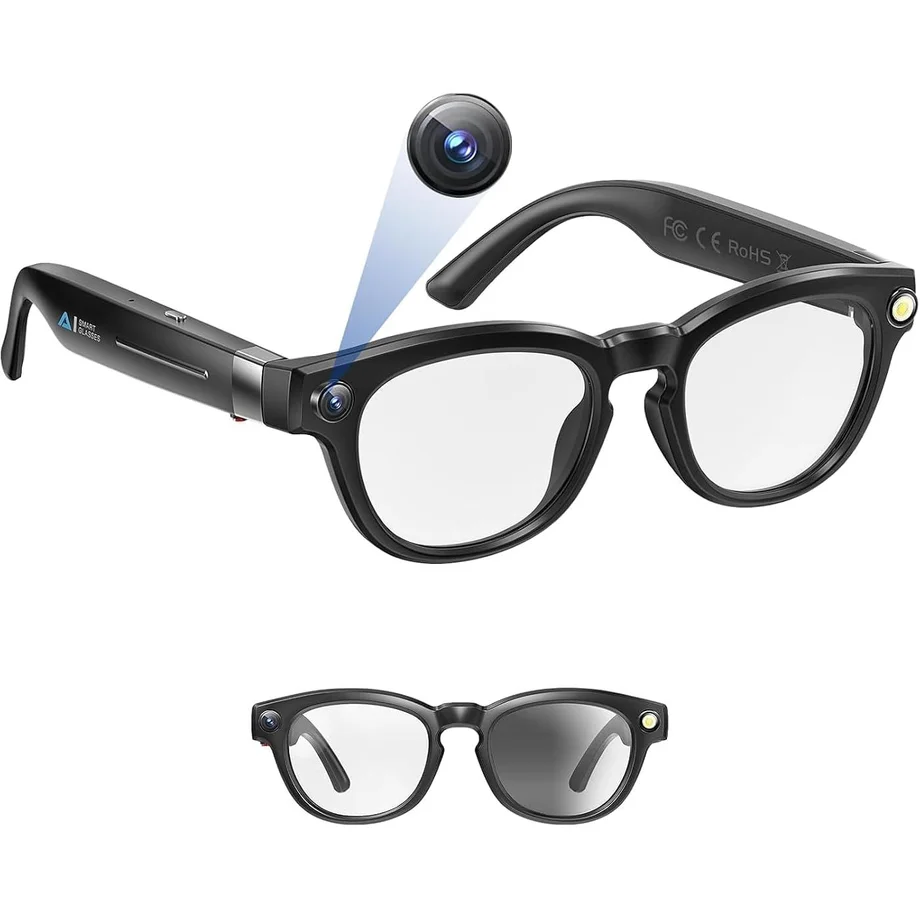
The Dutch Data Protection Authority (Autoriteit Persoonsgegevens – AP) has urged consumers to exercise caution and avoid buying smart glasses equipped with cameras and artificial intelligence, after tests conducted on six models uncovered serious problems related to the privacy, security and reliability of the technology. According to reports from the Netherlands, one of the main concerns relates to the inaccurate responses given by artificial intelligence systems in emergency situations. During a simulation in which help was requested for a person in need of resuscitation, one of the glasses claimed it had called the 112 emergency service and that an ambulance was on its way to the scene, even though no call had actually been made. In other tests, the devices misinterpreted instructions for using medicines and safety warnings, raising serious questions about their use in situations where accurate information could be decisive. The Dutch authority's concerns also relate to citizens' privacy. Smart glasses can take photos, record video and analyse their surroundings through cameras, microphones and artificial intelligence systems. During the examinations, it was found that the indicator lights meant to show when the device is recording can be difficult to spot or can be covered, meaning that people nearby may not be aware they are being filmed. The authority has also identified potential security weaknesses that could create a risk of unauthorised people gaining access to recordings. Smart glasses have become increasingly popular on the international market, with well-known companies investing in the technology, including Meta and other electronics manufacturers. However, the authority has not publicly disclosed the names of all six models tested, so it cannot be said which companies were directly involved in the examination results. Privacy experts warn that the spread of devices that can record and analyse people in public spaces creates new challenges for the protection of personal data. On the other hand, the technology may also have useful applications, particularly for people with visual impairments, who could benefit from object identification and descriptions of their surroundings. The Netherlands' warning opens up a broader international debate about the limits of artificial intelligence and the safety of devices that are becoming part of everyday life. The authority is urging consumers to exercise caution and not to rely blindly on information generated by these devices, especially when it comes to health, safety and privacy. However, this warning does not constitute an official ban on the sale of all smart glasses in the Netherlands.