From pressure to vote in the Assembly to withdrawal of the initiative, handling of the law on the Specialist Chambers criticized
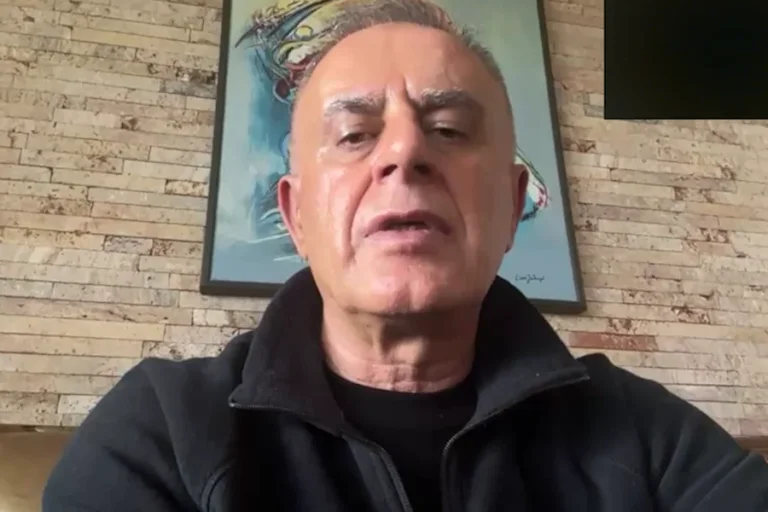
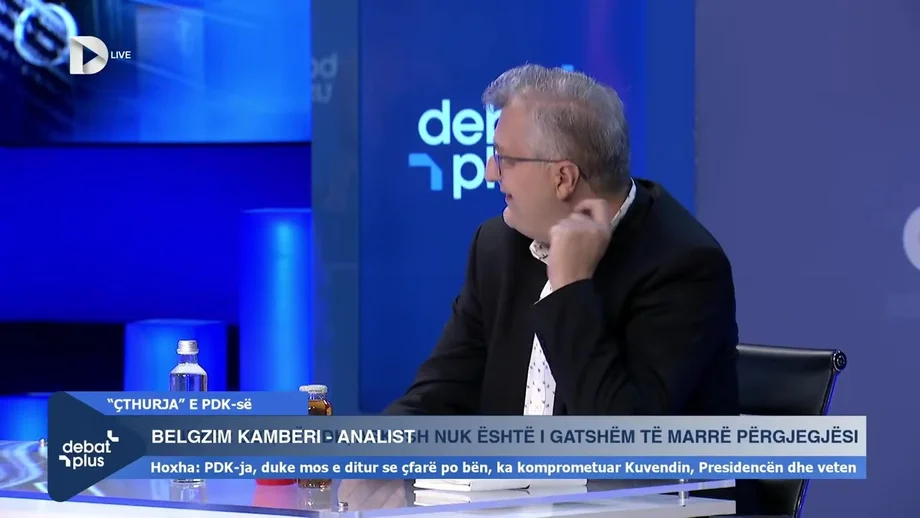
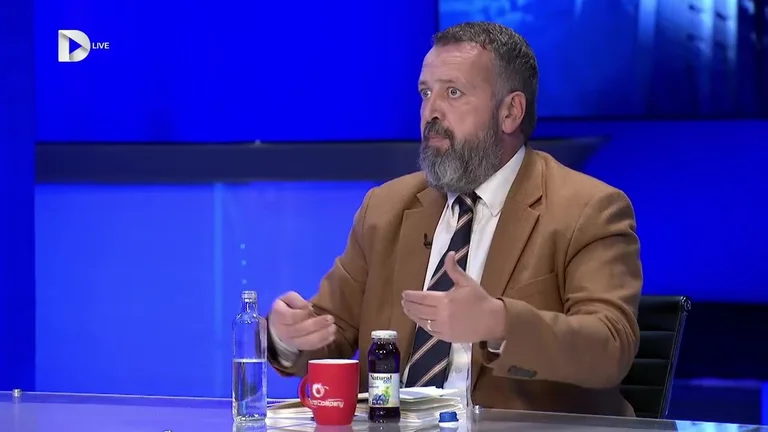
Lawyer Muhamet Mujaj and Fitim Gashi, executive director of the “Sbunker” organization, have criticized the way the initiative to amend the Law on the Specialist Chambers was conducted, questioning the effect of the amendments approved by the Assembly and the reasons for their subsequent withdrawal.
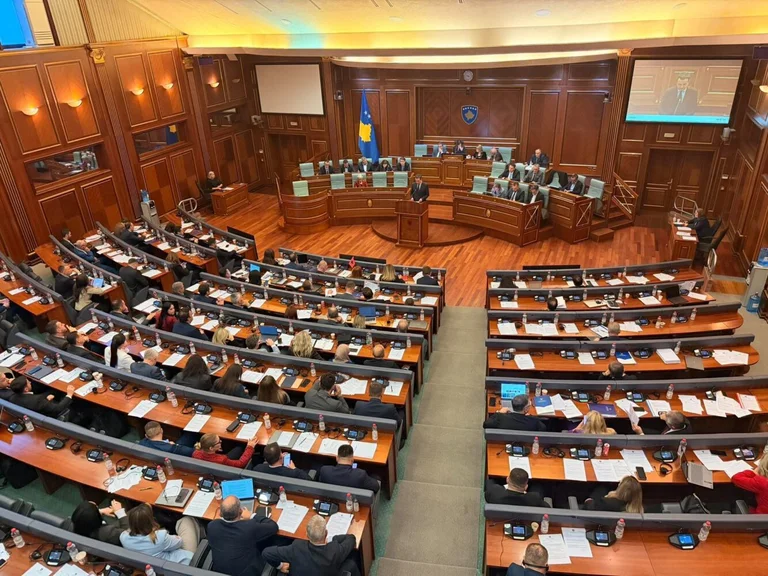
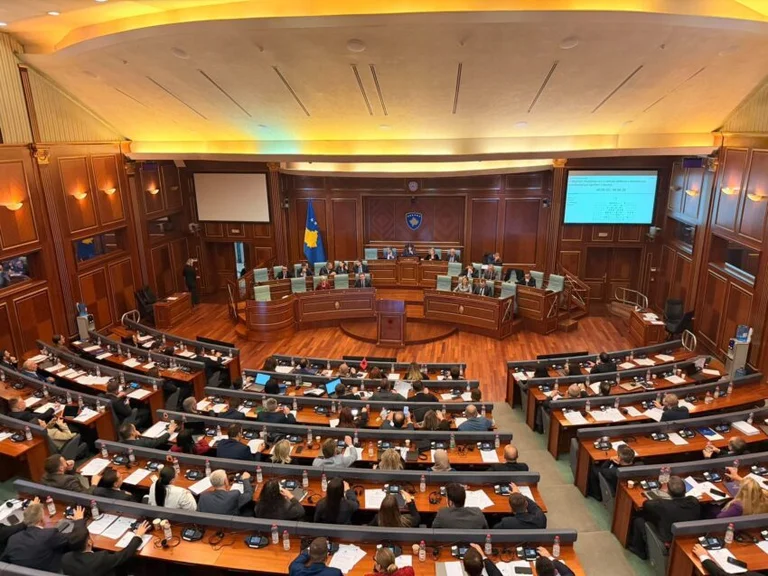
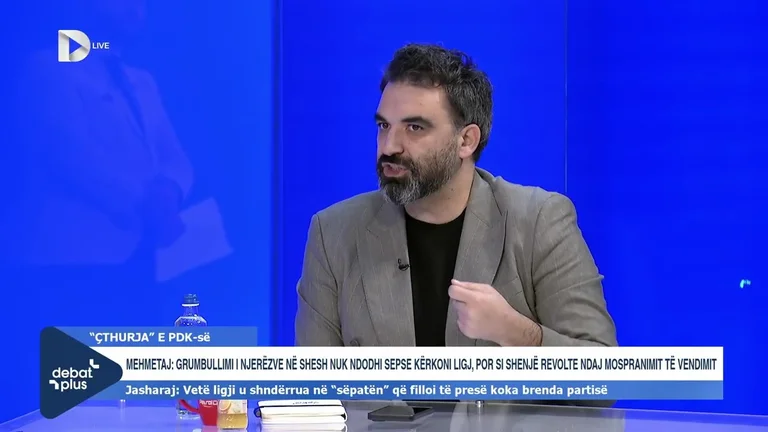
Speaking on TV Dukagjini’s Five, Mujaj said that after the law was approved in the Assembly, it became clear that the possibilities for changing the Specialist Chambers’ powers were limited.
He described the Specialist Chambers as a major problem for Kosovo, stressing that although it was established by the Assembly, the powers granted to it make intervention through legislation difficult.
“They have seen what kind of law they approved at the time, and now they are seeing that the possibilities for changing anything are very limited. The citizens need to be told, they need to be told exactly what is happening. Since I consider that Kosovo has created a gangrene. A cancer in its body. As if one part of the body were outside our body. It is a problem to rein in the Specialist Chambers. Even though it was established by the Assembly, I maintain that the Assembly is the one that can enact legislation for the Specialist Chambers, but the way it was established and the powers it was given are very serious,” Mujaj said.
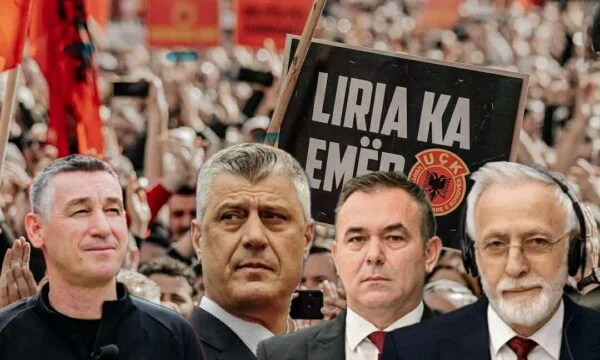
Meanwhile, Fitim Gashi described the way the process unfolded as a mockery of the citizens, particularly after the protests that followed the first-instance verdict against former KLA leaders on September 16.
According to him, the initiative to amend the law was pushed forward under pressure from the protests, without being properly addressed, while later there was no transparency about the reasons that led to the request for its return.
“It is a mockery, and beyond mockery, it is playing with people’s feelings, especially after the protests they held following the Specialist Court’s first-instance verdict on September 16. And it was seen that a law would be passed as a result of pressure from the protests, through inertia, without being handled as it should have been. And all that haste—but I think perhaps the Vetëvendosje Movement’s aim was that they also knew it was a law that would not work,” Gashi said on “Five”.
He said the process unfolded in a context in which the Vetëvendosje Movement also stood to benefit from the law’s approval, because of developments surrounding the election of the president and the functioning of the institutions.
Gashi particularly criticized the lack of explanations from the PDK, which initially drafted and advanced the bill, and later requested that it be returned for reconsideration.
“But what happened afterwards is a mockery, and, moreover, there has been no transparency about why that law was withdrawn. The PDK, which drafted it, has never said what the problems were, what the reasons were that led to the request to withdraw the law. What is intended now, what went wrong? And the blame for this should not be placed only on the PDK, but also on the Vetëvendosje Movement, since they offered their support. The situation should have been clarified: what did not work?” Gashi said.
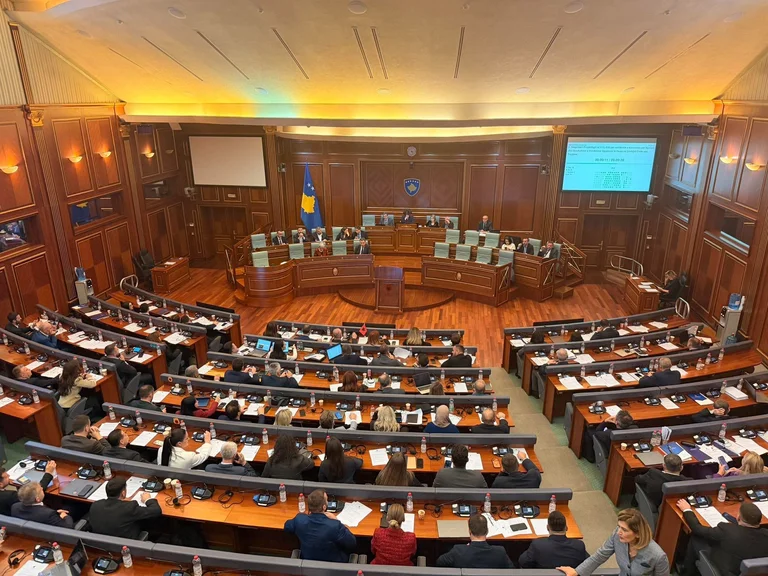
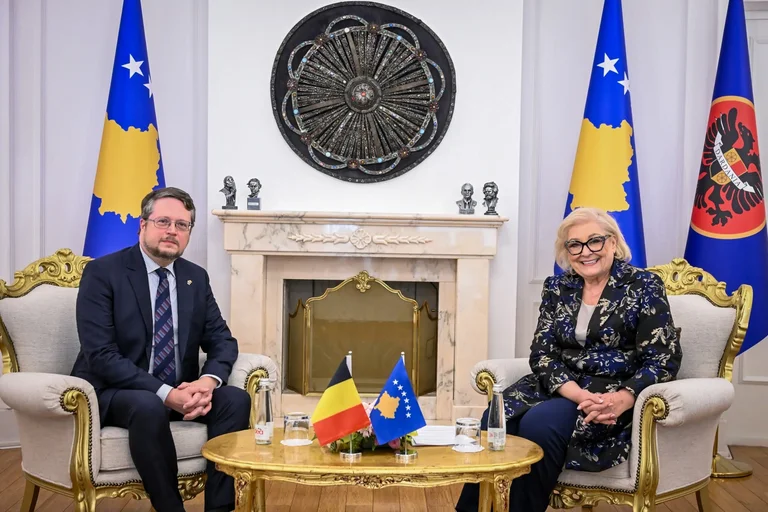
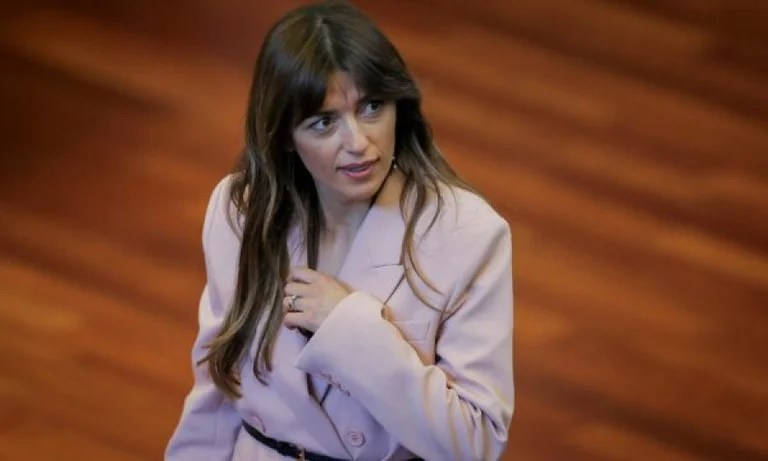
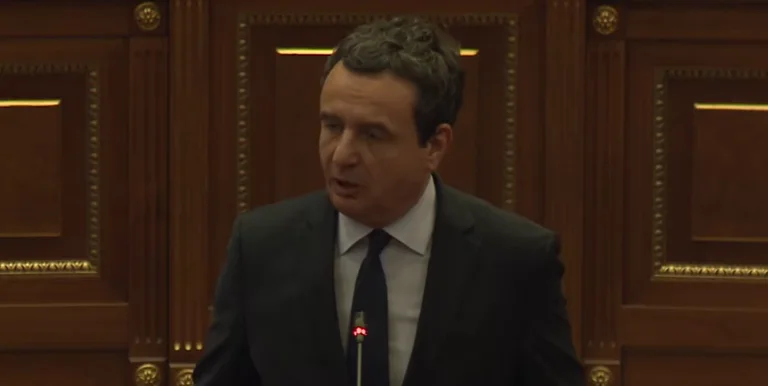
Their comments come after the PDK, following the law’s return by President Justina Shiroka-Pula and the inability to reconsider it in the Assembly due to a lack of quorum, agreed with Prime Minister Albin Kurti on a new legislative initiative. According to the acting chairwoman of the PDK, Vlora Çitaku, the new bill will be based on the previously approved text, but will be supplemented to make it more
legally robust and more practical to implement.