“We did it, we can undo it,” Syla criticizes the Specialist Chambers: An attack on Kosovo’s freedom and independence
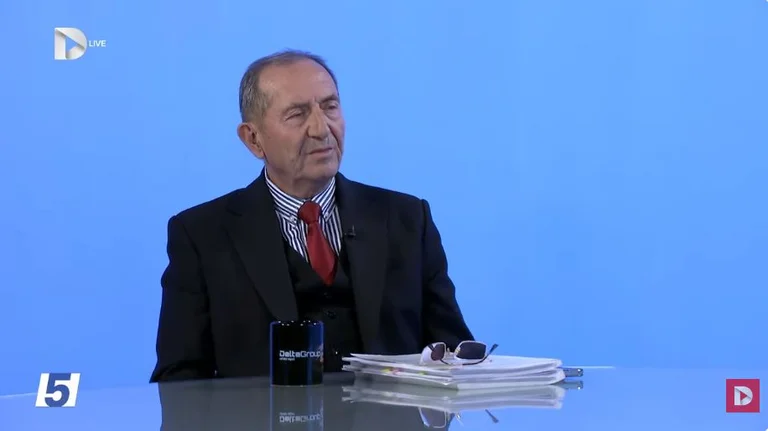
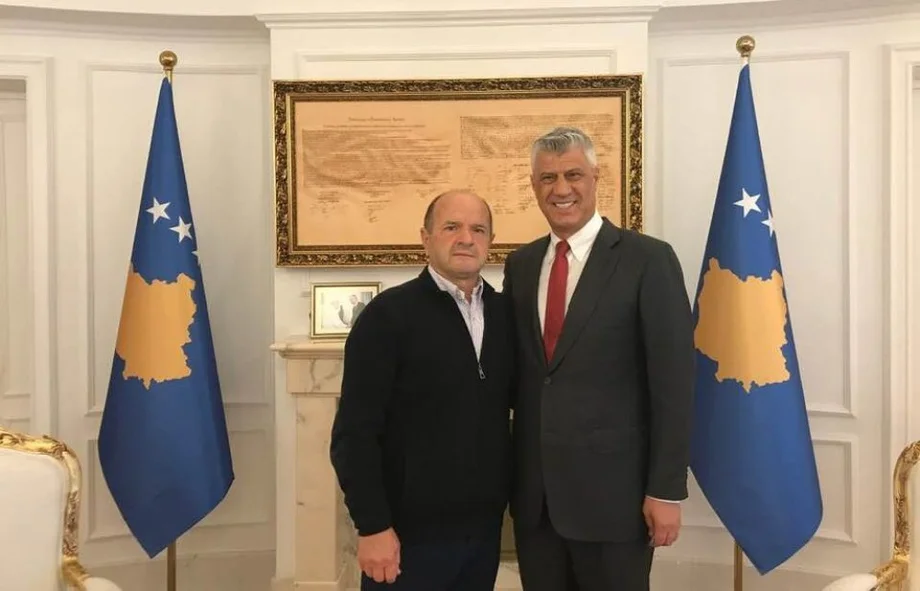
Asked whether the trial of former Kosovo Liberation Army leaders is taking on the characteristics of an absurd process, similar to the one Franz Kafka describes in his novel “The Trial,” Ismail Syla, an adviser to former president Hashim Thaçi, said that the bureaucratic system of the Specialist Chambers is even more complicated than the one portrayed in the Czech writer’s work.
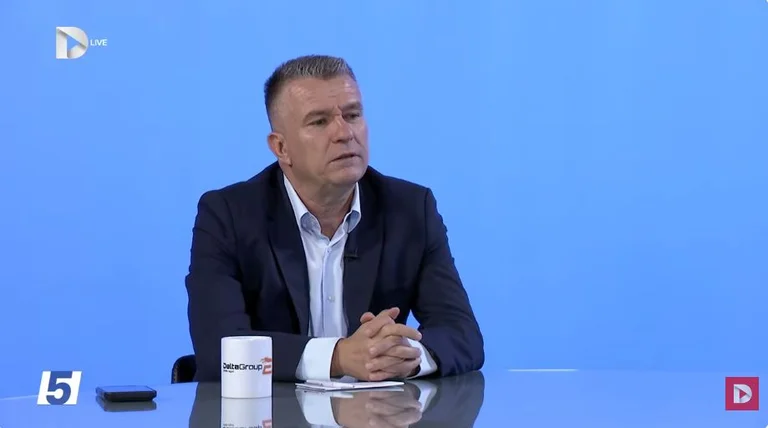
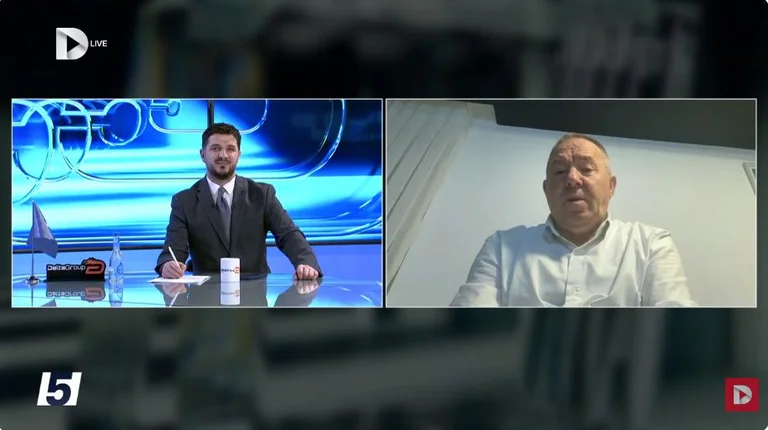
In a conversation with Dukagjini, Syla said that the trial in The Hague displays characteristics of a bureaucratic system in which, according to him, an individual’s mere existence within the system places them in the position of the accused, without any need for evidence.
"The central paradox of Franz Kafka’s novel 'The Trial' unfolds in several key dimensions: From the very first sentence of the novel, Josef K. is innocent ("Someone must have slandered Josef K., for one morning, without having done anything wrong, he was arrested").
However, the paradox deepens when he does not protest as a free citizen seeking justice, but immediately begins an obsessive quest to understand why he is being accused, subconsciously accepting that an accusation exists, and therefore that he must have done something. In the novel 'The Trial', the verdict requires no evidence; a person’s very existence within the bureaucratic system makes them automatically guilty," Syla said.
Referring to the main character in Kafka’s novel, Josef K., Syla drew a parallel with the case of Sami Lushtaku.
“In this spirit of guilt, Mr. Sami Lushtaku served time in prison for a person whose first and last name were never made known to him. The bureaucratic system of the Specialist Chambers (actual) is more complicated than the imaginative (fictional) one.
This court (the Specialist Chambers) has moved outside Kosovo’s orbit; it sentences in Kosovo’s name, but in fact it is an anti-Kosovo surrogate institution. More than through Kafka, this process is explained by Aesop’s fable in which the Lamb muddies the Wolf’s water even when drinking downstream,” Syla added.
Furthermore, Syla called on all of Kosovo’s decision-making institutions, including the Office of the Prime Minister, the Ministry of Foreign Affairs, the Presidency and the Assembly, to engage diplomatically in opposing the designation of a “Joint Criminal Enterprise,” on the basis of which, according to him, the four KLA figures were convicted on September 16.
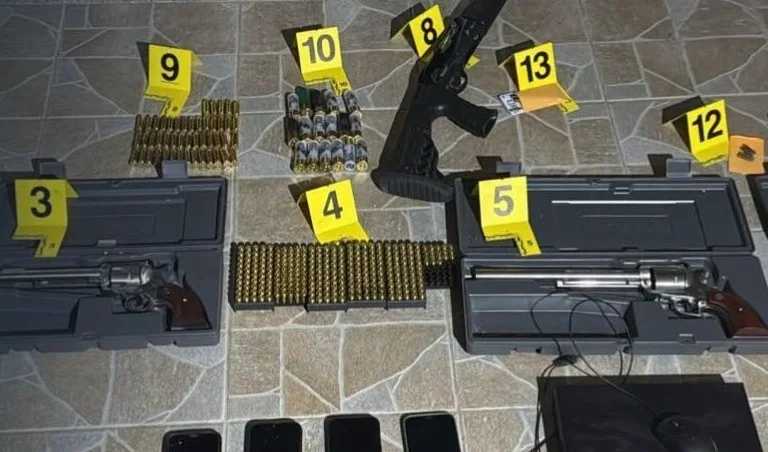
“All of Kosovo’s decision-making institutions—the Office of the Prime Minister, the Ministry of Foreign Affairs, as well as the Presidency and the Assembly—must take diplomatic action to clarify the matter and definitively demolish the deadly designation of a "Joint Criminal Enterprise," under which the four KLA figures were convicted on September 16. Only the institutional voice has the power and credibility to change the designation and the first-instance sentence on appeal. Protests are moral solidarity. The state must speak. The KLA leaders must not be left at the mercy of justice in The Hague. We saw it again today with the alleged attempt to obstruct justice,” Syla stressed.
He said that the international institutions that supported the creation of the Specialist Chambers would not dismantle them, and called on Kosovo’s Assembly to do so.
“Those who imposed the creation of the Specialist Chambers will not dismantle them. Of course, the EU defends the guilty verdict. The US State Department defended it too. Only the determination of Kosovo’s Assembly, through radical action, can bring down this court.
We did it, we can undo it, because it has strayed from the purpose for which it was created. It takes courage and iron resolve. Just as the international insistence on establishing it was strong, the decision to dismantle it must be even stronger. The decisions of this court are an attack on Kosovo’s freedom and independence,” Syla added to Dukagjini.
It should be recalled that, to date, the Specialist Chambers in The Hague have convicted several former KLA members and former officials in separate proceedings.
For war crimes, Salih Mustafa was sentenced to 15 years in prison, Pjetër Shala to 13 years, while in the verdict of September 16, 2026, Hashim Thaçi and Jakup Krasniqi were each sentenced to 25 years, Kadri Veseli to 18 years and Rexhep Selimi to 13 years in prison.
In cases of obstructing the administration of justice, Hysni Gucati and Nasim Haradinaj were each sentenced to four years and three months in prison, sentences they completed in December 2024. Haxhi Shala was sentenced to three years, while Sabit Januzi and Ismet Bahtijari were each sentenced to two years in prison. In another trial of this nature, on November 17, 2026, Hashim Thaçi was sentenced to 17 months, Bashkim Smakaj and Fadil Fazliu to 12 months each, while Hajredin Kuçi received a one-month suspended prison sentence; Isni Kilaj was acquitted.