
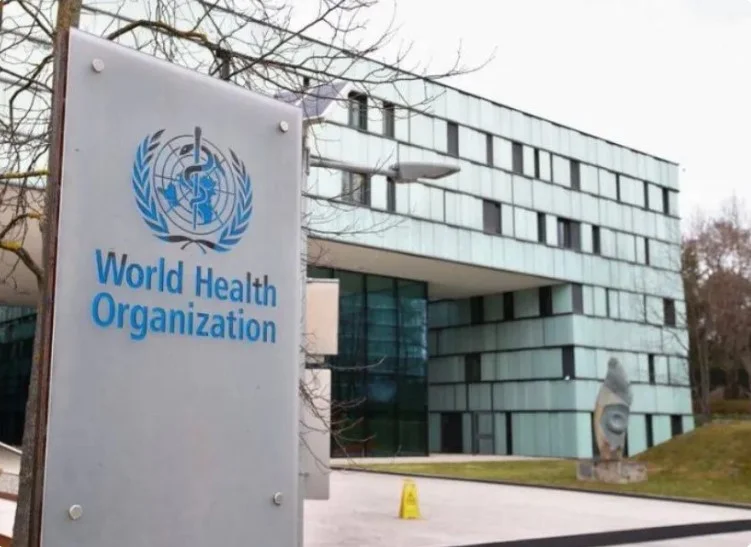
WHO says health funding will fall by up to 40% in 2025
Essential health services in low- and middle-income countries are facing serious disruptions, as international health aid is expected to fall by 30% to 40% in 2025 compared with 2023, the World Health Organization (WHO) has warned. In new guidance published to help governments […]
Essential health services in low- and middle-income countries are facing serious disruptions, as international health aid is expected to fall by 30% to 40% in 2025 compared with 2023, the World Health Organization (WHO) has warned.
In new guidance published to help governments cope with the crisis, the WHO highlights that sudden funding cuts have significantly reduced access to maternal care, vaccinations, disease surveillance and emergency preparedness, with cuts reaching as much as 70% in some countries.
Data collected from 108 countries in March show that more than 50 of them have reported job losses in the health sector and interruptions to training programs for medical staff.
“Sudden and unplanned aid cuts have hit many countries hard, costing lives and putting hard-won gains in health systems at risk,” warned WHO Director-General Tedros Adhanom Ghebreyesus.
“However, this crisis can be turned into an opportunity for countries to move from aid dependence to sustainable self-reliance, building on domestic resources.”
According to the WHO, this year’s funding cuts have exacerbated the financial challenges health systems already face – from rising debt and inflation to a lack of public budgets and heavy reliance on external aid.
The agency has called on governments to prioritize public health in national budgets, even in times of crisis, viewing it as an investment in social stability, human dignity and economic resilience, not as a budgetary burden.
The WHO guidance recommends that countries: focus on services accessible to the poorest, protect health budgets and vital programs, improve efficiency through optimized procurement, reduce unnecessary spending and apply strategic purchasing, and use health technology assessments to focus funding on programs with the greatest impact for every dollar spent.
According to the WHO, some countries, such as Nigeria, Kenya, South Africa, Ghana and Uganda, have already taken steps to increase health budgets and reform financing systems, serving as positive examples of adapting to the global aid crisis. /AA














