WHO warns of the spread of mosquito-borne ‘chikungunya’ virus
The World Health Organization (WHO) issued an urgent call to prevent a recurrence of an epidemic of the mosquito-borne ‘chikungunya’ virus, which swept the world two decades ago. The concern is prompted by new outbreaks in the Indian Ocean region, which are now spreading to Europe and other continents. According to the official […]
The World Health Organization (WHO) issued an urgent call to prevent a recurrence of an epidemic of the mosquito-borne ‘chikungunya’ virus, which swept the world two decades ago.
The concern is prompted by new outbreaks in the Indian Ocean region, which are now spreading to Europe and other continents.
According to WHO official Diana Rojas Alvarez, around 5.6 billion people in 119 countries live in areas where they are at risk from this virus, which causes fever and severe joint pain and can lead to long-term disability.
“We are seeing history repeat itself,” she said, comparing the current situation with the 2004-2005 epidemic, which affected nearly half a million people—mainly in small island territories—before spreading worldwide.
The latest wave of transmission began in early 2025, with major outbreaks on the same Indian Ocean islands that had been affected before, including Réunion and Mauritius.
Alvarez said the virus has already affected around one-third of Réunion’s residents.
Transmission is continuing in other countries, such as Madagascar, Somalia and Kenya, while numerous cases have also been reported in India and parts of Southeast Asia, she said.
A particular concern is the rising number of imported cases in Europe.
Since May 1, around 800 imported cases of ‘chikungunya’ have been recorded in France, Alvarez said.
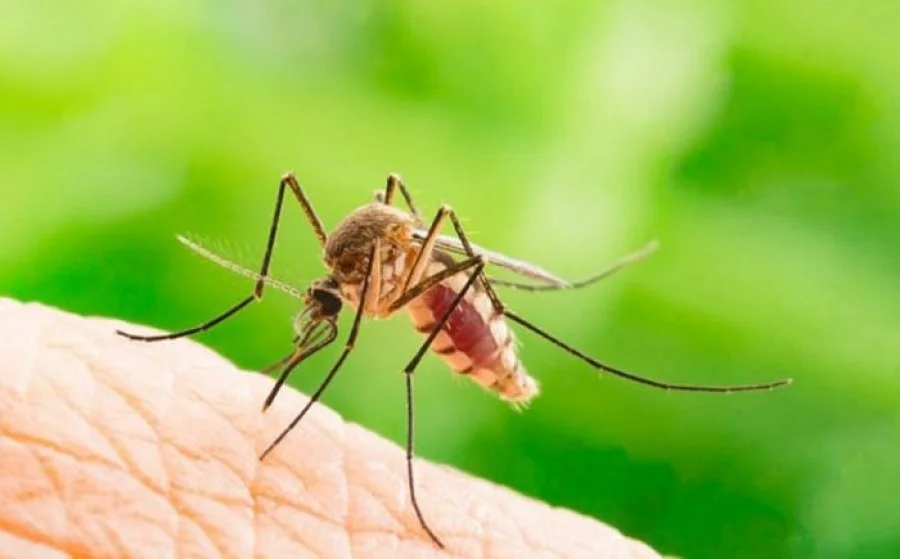
‘Chikungunya’, for which there is no specific treatment, can cause rapid and large-scale outbreaks.
Because mosquitoes bite during the day, prevention is essential, including using insecticides and wearing long-sleeved clothing, the WHO recommends.