From the “Mona Lisa” to Renaissance Masters: How Botero Reinterpreted Art History
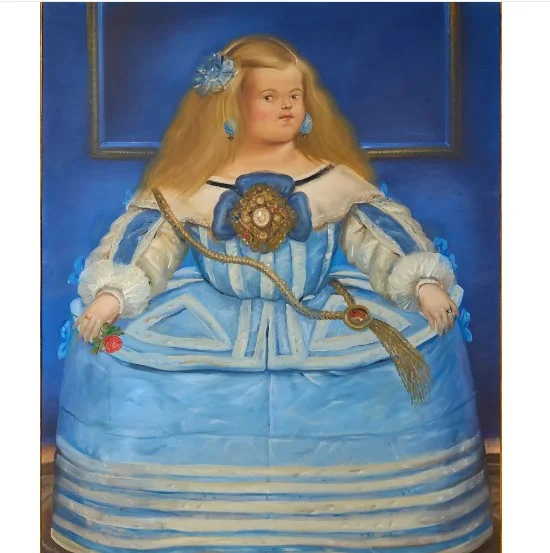
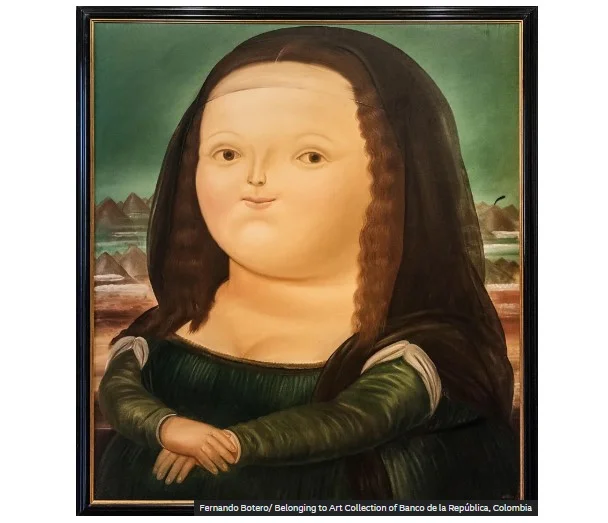
With rounded figures and enlarged proportions, Colombian artist Fernando Botero gave a new identity to some of Europe’s best-known masterpieces, blending classical tradition with Latin American sensibility, BBC Culture writes, as reported by Dukagjini. His version of the “Mona Lisa,” created in 1978, retains elements of Leonardo da Vinci’s portrait, […]
With rounded figures and enlarged proportions, Colombian artist Fernando Botero gave a new identity to some of Europe’s best-known masterpieces, blending classical tradition with Latin American sensibility, BBC Culture writes, as reported by Dukagjini.
His version of the “Mona Lisa,” created in 1978, retains elements of Leonardo da Vinci’s portrait, but transforms them through his distinctive style known as “Boterismo.” For Botero, volume and color were ways of expressing vitality and aesthetic pleasure.
Inspiration from European masters also runs through his reinterpretations of works by Velázquez, Raphael and Piero della Francesca. However, the artist rejected the description of his work as simply painting fat people: his interest was in volume, in people as well as animals and objects.
According to the interpretation presented in the article, these works also show how European images have become part of Latin American visual culture. Through them, Botero affirmed his place and that of the region’s art in the history of world art.
The exhibition “Fernando Botero: In Praise of an Amplified World” is on view at Opera Gallery in London until 22 November.