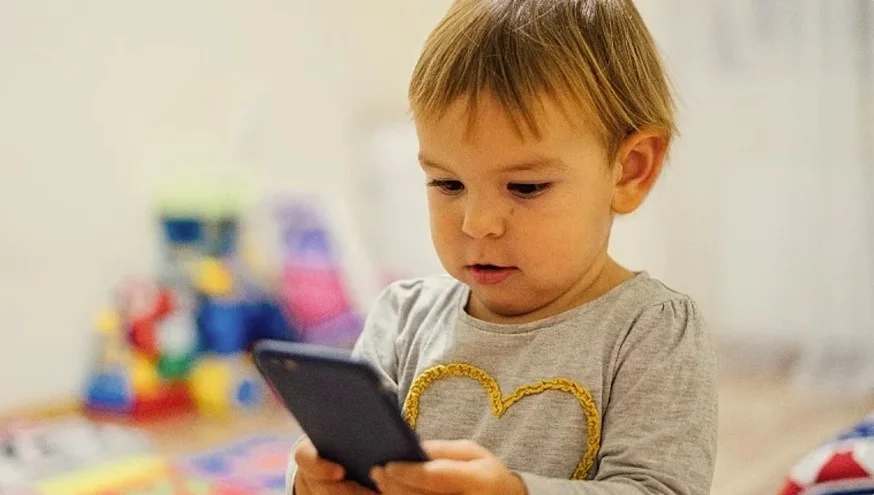
Phones and TVs for Babies: Until What Age Is It Recommended to Avoid Them?
Screens in Early Childhood: Why Play and Interaction with Parents Matter
Phones and TVs are often used to calm or entertain children. However, during the first two years of life, when the brain develops rapidly, screens should not replace play, exploration, and communication with parents.
Pediatric guidance generally recommends avoiding screens before 18 months of age, except for video calls with family members. From 18 to 24 months, educational content can be introduced carefully and watched together with a parent. For children aged 2–5, it is advisable to limit screen time to around one hour a day, choosing high-quality content.
How do children learn in their early years?
Young children get to know the world through direct experiences: they touch objects, hear people’s voices, and observe facial expressions. These interactions support the development of language, social skills, and an understanding of emotions.
Excessive screen use may be associated with difficulties in language development, especially when it takes time away from conversations and play with parents.
Using a phone continually to stop crying or tantrums is also a concern. When a screen becomes the response to every distress, children have fewer opportunities to learn, with adults’ support, how to cope with emotions and frustration.
Screens, especially before bedtime, can also affect a child’s rest. Fast-paced videos, loud sounds, and frequent changes in images can make it harder to calm down, while spending a long time in front of them reduces time for movement and play.
Simple screen-free alternatives for entertainment
Picture books, songs, conversations, walks, and games with age-appropriate safe objects help children learn through experience.
Mealtimes can also serve as opportunities for interaction. Instead of videos, parents can encourage children to discover the tastes and textures of food and take part in family communication.
The aim is to create a balance in which technology does not take the place of human relationships, sleep, and physical activity. When screens are used, the content should be appropriate for the child’s age and, whenever possible, watched together with a parent.