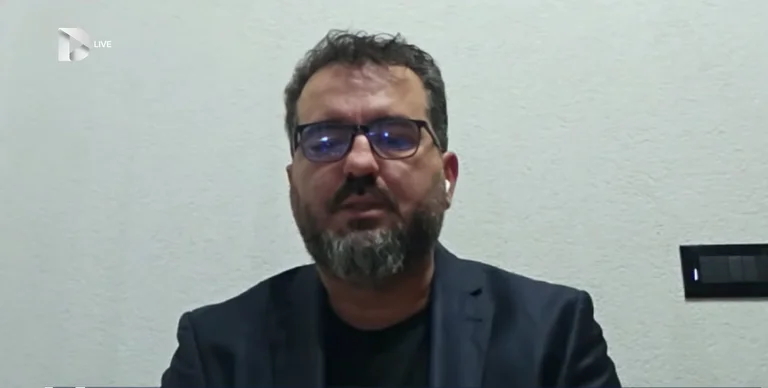
Xhelali and Donika must leave. Shameful!
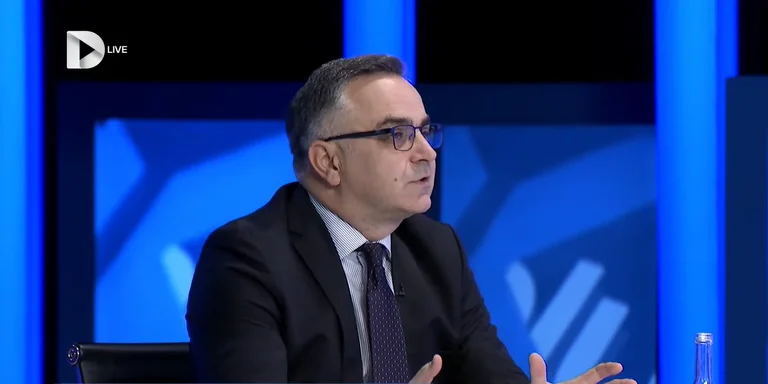
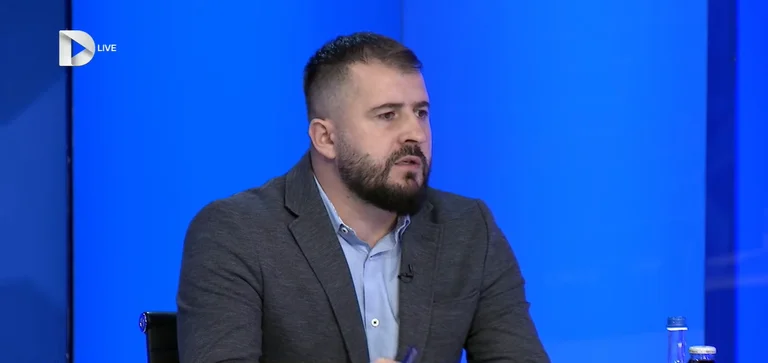
Responsibility cannot end with the police officers, prosecutors or judges who were directly involved. It must reach the top of the institutional and political hierarchy. Xhelal Sveçla and Donika Gërvalla should already have resigned.
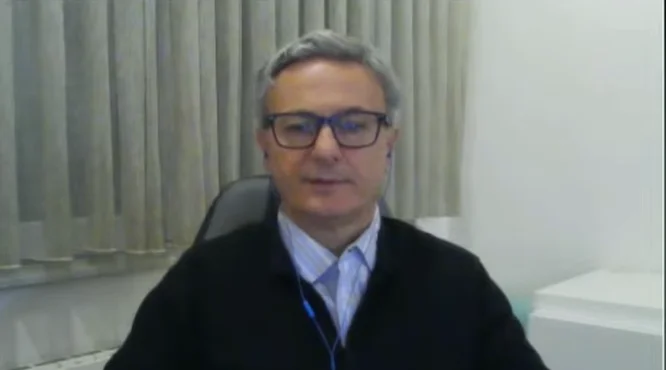
Imer Mushkolaj
Arlinda Zekaj was not killed because nobody knew she was in danger. She was not killed because she had not asked for help. Nor was she killed because she had failed to warn the institutions. On the contrary, she had done what a citizen should do when she feels threatened: she had sought help from the police, reported the violence, requested protection from the court and alerted the prosecution to the danger she faced. In fact, just three days before she was killed, she had written to the chief prosecutor in Peja, making it clear that her life was in danger. Nevertheless, she was killed.
This is the most horrifying part of this entire tragedy. Arlinda was not a woman the state failed to find in order to protect her. She was a woman who went to the state herself, knocked on the doors of institutions and asked not to be left alone to face the people threatening her. But the institutions did not provide her with the protection she needed. In the end, she became a victim of violence, but also of a system that failed to function when it needed to function most.
When a citizen warns that she may be killed and the institutions fail to protect her, this is not merely a criminal case. It is a failure of the state.
The chronology of the case is shocking. From the first report of violence in July, to the request for an emergency protection order in September, and then the warning addressed to the chief prosecutor a few days before the murder, these were all signals that should have activated the protection mechanisms. There were delays, shortcomings and institutional inaction. This is no longer a matter of political interpretation. It is an alarm about how our institutions treat the lives of women who seek protection.
But this tragedy also reveals something else: the rot of a justice system that often seems to exist more to fulfill procedures than to deliver justice to citizens. A police force that records complaints, takes statements and fills out forms, but does not necessarily understand the seriousness of the danger. A prosecution service that may have information about serious threats in its hands, but fails to act with the urgency such a situation demands. A court that should guarantee protection, but in certain cases becomes yet another link in the chain of waiting and delays.
What is the point of a protection order if it is not enforced? What is the point of reporting to the police if the victim continues to live in fear that tomorrow she may no longer be alive? What is the point of a justice system that reacts only after a murder has taken place?
Political responsibility must not be overlooked in this story either. Xhelal Sveçla, as Minister of Internal Affairs, and Donika Gërvalla, as Minister of Justice, cannot act as though this tragedy is an issue that concerns only lower-level officials. Of course, ministers do not personally handle citizens’ complaints, draft indictments or issue court rulings. But that is precisely why they hold the positions they do: to ensure institutions function, oversee policies and ensure accountability for failures in the sectors they lead.
It is unacceptable that, after a case like this, their response is that resigning would not help empower women or establish responsibility. We all know that the resignation of two ministers will not bring Arlinda back to life. Nor would resignations replace investigations, prosecution and the punishment of those responsible. The issue is much bigger: is there a standard of political responsibility in this country?
Sveçla and Gërvalla’s resignations would not merely be a moral act, but political accountability for the failure of the institutions under their leadership. It would send the message that a citizen’s life cannot be treated as a statistic, and that the loss of life after repeated warnings cannot be brushed aside with a few press conferences and statements about investigations. It would also create space for responsibilities to be addressed without ministers needing to defend their positions.
It is true that several police officers, as well as prosecution officials, have been suspended. But suspension is not justice. Nor is it the conclusion of an investigation or a substitute for individual and institutional accountability. Every action and failure to act, every delay, every decision and every instance of negligence must be investigated. No one should be shielded by their position, rank or political connections.
* * *
This tragedy must serve as an alarm for all institutions, but also for society. It is not enough to take to the streets after every murder, hold protests, publish photographs and call for justice, only to return to our usual routines until the next case. The way violence against women is handled must change. It must be understood that a threat is not a family conflict, that violence is not a private matter, and that victims should not be forced to keep proving that their lives are in danger.
The police must respond immediately, the prosecution must act urgently, the courts must not drag out proceedings, and social institutions must not treat victims as administrative cases. There must be a system that communicates, coordinates actions and follows a case through until the victim is protected. Because it is not enough for each institution to say it has done its part if, in the end, the woman is left unprotected.
Society, too, must reject the normalization of violence, excuses for abusers and the mindset that sees a woman as someone’s property. Silence, minimization and victim-blaming are part of a culture that fuels violence and clears the way for those who perpetrate it.
The Prime Minister and the Government cannot be satisfied with receiving reports and promising to analyze them. Findings must be published, those responsible identified and concrete measures taken. But responsibility cannot end with the police officers, prosecutors or judges who were directly involved. It must reach the top of the institutional and political hierarchy.
Arlinda Zekaj did not need condolences, press conferences and statements of solidarity. She needed protection. She asked for it, but did not receive it. This is the failure that cannot be covered up by any report or promise of investigations.
If her case is not enough to demand political accountability, then we must ask what else has to happen for someone in this state to answer for their actions. A state that cannot protect a woman who warns that she may be killed cannot claim to be fulfilling its most fundamental duty to its citizens.
Arlinda must not become just another name on the list of murdered women. Her murder must become a turning point, and responsibility must be the starting point of that turn. Political responsibility. Institutional responsibility. Criminal responsibility. The state does not fail only when the killer pulls the trigger. It also fails when it leaves the victim alone after she has asked for help. And someone must answer for this failure.