
Hidden Background and Secret Documents of the Murder of Luigj Gurakuqi Revealed
The murder of one of the most emblematic figures in national history, Luigj Gurakuqi, has remained shrouded in mystery, dilemmas and historical silence for a century. However, new light is being shed on this shocking event through the program „Historical File“ by author Agnesa Hasanaj, which brings to attention new research and archival documents […]
The murder of one of the most emblematic figures in national history, Luigj Gurakuqi, has remained shrouded in mystery, dilemmas and historical silence for a century. However, new light is being shed on this shocking event through the program „Historical File“ by author Agnesa Hasanaj, which brings to attention new research and archival documents discovered by researcher Skender Asani at the Archive of the Ministry of Foreign Affairs of Italy in Rome, the State Archive of Bari and the State Archive of Croatia.
In this special edition, interviews with prominent figures in the field, including Prof. Dr. Romeo Gurakuqi, academician Frashër Demaj and Skender Asani, shed light on the exact circumstances of the political assassination that shook Albanians at the time.
Documents recounting the assassination of March 2, 1925

The recently discovered archival materials reveal shocking details about Gurakuqi’s final hours and the identity of the perpetrators. According to an official telegram of the time (Ministry of Foreign Affairs in Tirana, 1925), the following information about the event was provided:
„This evening at 20:45 Luigj Gurakuqi was assassinated by the Albanian national Baltion Stamolla from Shkodra. Stop. The minister was dining at the Cavour restaurant with Captain Haki Korce, Amgjel Suma, Dan Hasani. Stop. As he exits the restaurant door, the assassin exchanges a few words with Gtrakuqi and then fires three shots into his chest, leaving him dead on the ground. Stop…“
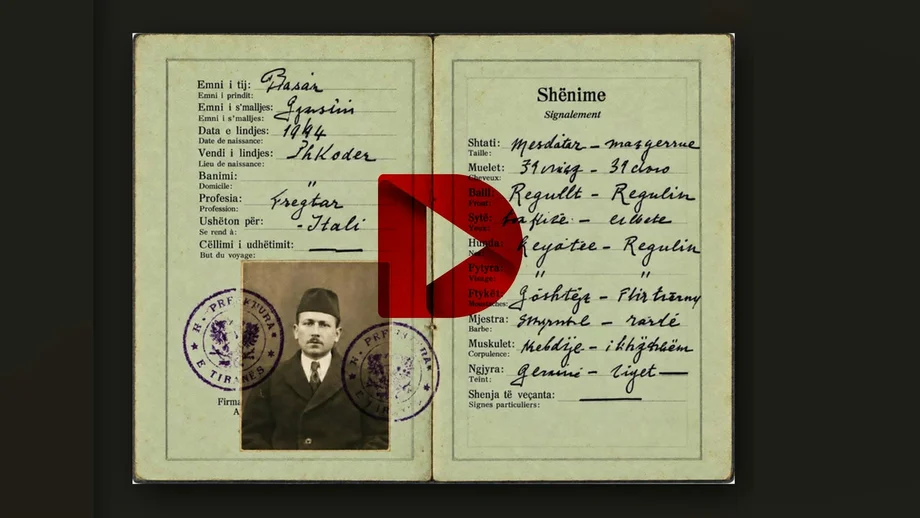
The discovered documents also reveal that the assassin, who presented himself as an individualist anarchist, had declared that he committed the murder for reasons he did not wish to state, while 470 lire and a passport issued in Shkodra on February 20 were found in his pockets.
International alert and security traces in the region
Documents found in foreign archives also show that the movements of the perpetrators and the threats against Albanian emigrants were followed with great concern by the security services of neighboring states.
An official document from the Ministry of Foreign Affairs in Belgrade, addressed to the authorities in Zagreb on February 24, 1926, warned of the possible movements of people connected with the event, calling for strict measures of control and surveillance to protect the safety of Albanian emigrants in their territory.
The program „Historical File“ airs every Sunday at 21:10 on RTV Dukagjini.
You can watch the full program below:














