Inflation above 7% weighs on citizens, economists call for measures to lower prices
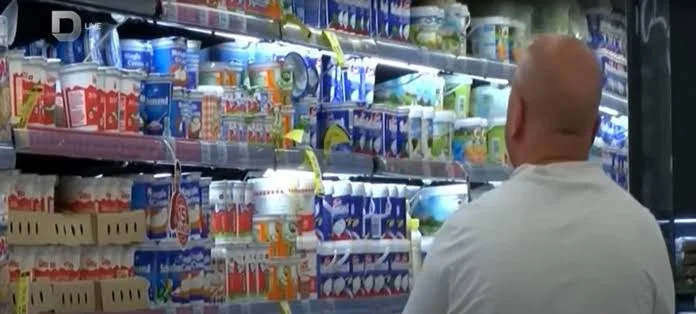
Inflation of 7.1 percent in Kosovo is weighing particularly heavily on low-income citizens, while economic experts believe institutions should take concrete measures to mitigate the impact of rising prices on household finances and local businesses.
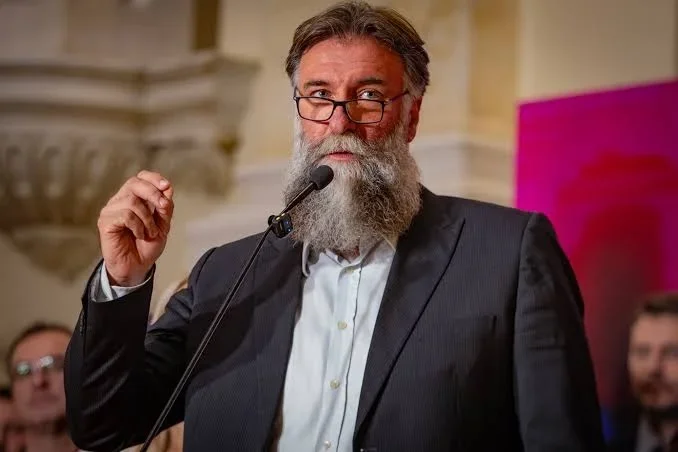
Economists Lulzim Beqiri and Safet Gërxhaliu have criticized the lack of sufficient institutional measures, identifying dependence on imports, electricity and transport costs, as well as weaknesses in market oversight as factors contributing to rising prices.
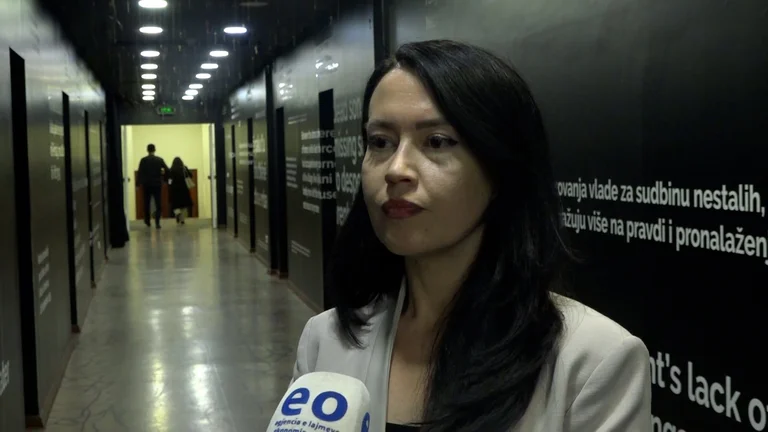
Beqiri told Ekonomia Online that current inflation is concerning, especially for citizens dependent on low wages and the state budget, and called for intervention to curb price increases.
“Certainly, the inflation rate published by the Agency of Statistics is concerning for the citizens of Kosovo, especially for groups that depend on the budget of the Republic of Kosovo or receive wages at the current level. Such a high rate, or a doubling compared with the region, is concerning in my opinion because it has an extremely significant impact on citizens with low incomes. Therefore, I believe it is very important for the institutions of the Republic of Kosovo to take the appropriate steps to lower this inflation, which is affecting citizens’ livelihoods. There are several factors Kosovo is currently facing: dependence on imports, as Kosovo imports most of its products and is therefore affected by international markets and various crises,” he said.
Beqiri also highlighted the lack of market oversight, saying the Competition Authority does not have a fully constituted board and does not report to the Assembly, which, he said, creates room for traders to raise prices.
“Then there is the lack of market oversight, such as by the agency that oversees competition in the market. As is already known, it does not report to the Assembly of the Republic of Kosovo, it does not have a fully constituted board and, as a result, many unscrupulous traders are taking advantage of the situation and raising prices in the absence of institutional oversight by the Competition Authority, which by now is hardly reporting to the Assembly of the Republic at all. So there are several factors that have a direct impact, and these factors should be prevented by the institutions of the Republic of Kosovo,” he said.
According to Beqiri, electricity and transport costs are also among the main factors driving up the prices of products and services, since businesses pass these costs on to consumers.
He called for lower electricity costs and support for manufacturing businesses in order to reduce Kosovo’s dependence on imports.
“One of the main factors behind inflation is the cost of electricity, which has now reached a record high. Then there is transport, which affects all businesses; as transport, fuel or electricity prices rise, prices also increase, and the main burden is borne by Kosovo’s consumers. It is a chain that ultimately ends in the consumer’s pocket, and it is very important that the institutions of the Republic do something, beyond beautiful statistics and the fine speeches they make in the Kosovo Assembly and in the media about record employment, extraordinary investment and economic activities that have almost never happened before. In reality, many citizens—around 25,000 families—are struggling to survive, with some 100,000 citizens, or one-third of the population, dependent on state assistance. Therefore, I believe it is very important to take measures, especially to reduce the cost of electricity and to support businesses, particularly manufacturing businesses, in order to reduce dependence on imports, at least somewhat. Kosovo is breaking records for imports more and more every day and is mainly dependent on various international crises, while we have not seen the state extend a helping hand to citizens or businesses, apart from the various presentations they have made on websites,” he said.
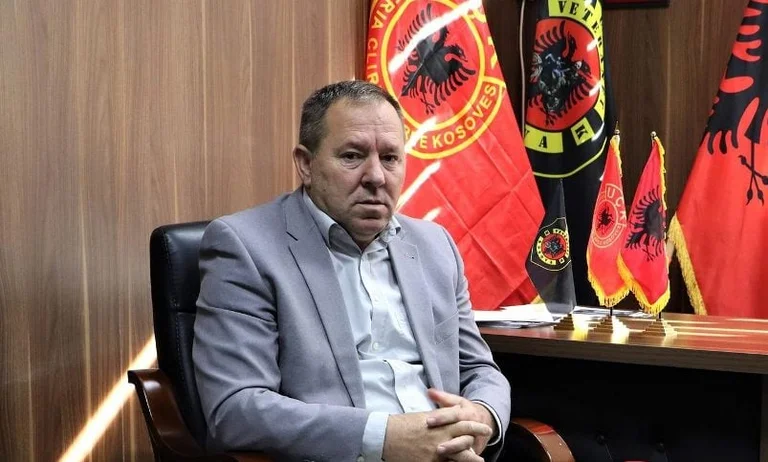
Meanwhile, former president of the Kosovo Chamber of Commerce Safet Gërxhaliu said inflation should not be viewed merely as a statistical figure, but should also be assessed in terms of its impact on citizens’ lives and economic development.
He stressed that high dependence on imports is stifling Kosovo’s economy, leaving it vulnerable to crises and developments in international markets.
“My greatest concern is that, as it seems, statistics in Kosovo produce accurate results. It must be understood that inflation is not just a figure or a number, but what people experience and how it affects citizens and the economy. Kosovo today is a country dependent on imports. Kosovo’s economic indicators are definitely at an undesirable level today; instead of being an export-oriented society, or producing and exporting, we are a country dependent on imports, and this dependence on imports is stifling Kosovo’s economy,” he said.
Gërxhaliu said the government should intervene through fiscal mechanisms, citing the possibility of reducing excise duties on strategic products and halving or freezing VAT on essential products as measures that could help ease the burden on citizens.
“It is true that the government does not create inflation, but it should find mechanisms to fight inflation. In this regard, making adjustments or changes to excise duties on strategic products, or halving or freezing value-added tax on essential products, might in itself provide assistance that would affect the citizen’s shopping basket. People cannot live on social assistance; we truly need to focus on economic development, and this economic development must involve the private sector as a partner, particularly the manufacturing sector. There can be no economic development or partnership with the private sector without genuine dialogue. Kosovo is missing this, and I want to believe that in time all this will be understood, but it will be too late. It is true that we remained silent when we were under sanctions from the European Union; we remained silent when we lacked institutions and political stability, and the economy—and, I believe, future generations too—will pay the price for this,” he said.
According to data from the Kosovo Agency of Statistics (KAS), annual inflation in October 2026 was 7.1 percent compared with the same month of the previous year, while in September it had reached 7.8 percent.
The largest price increase was recorded in the transport category, at 21.5 percent, while housing, water, electricity and fuels rose by 9.7 percent. Alcoholic beverages and tobacco became 5 percent more expensive, while restaurants and accommodation services rose by 4.5 percent.