Tërshani: Suspicions of document forgery and serious institutional violations in the Arlinda Zekaj case
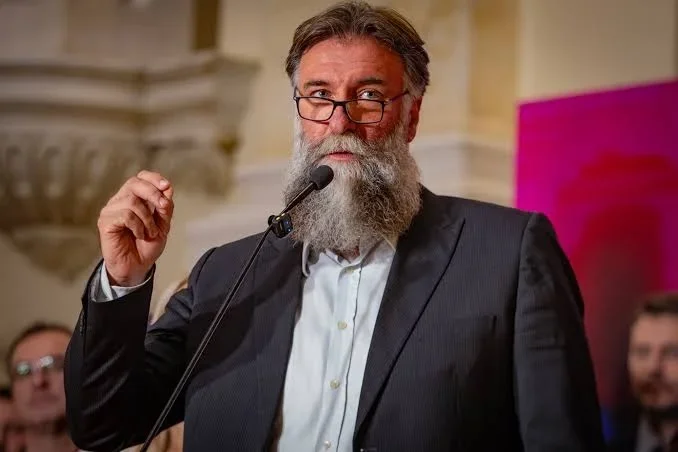
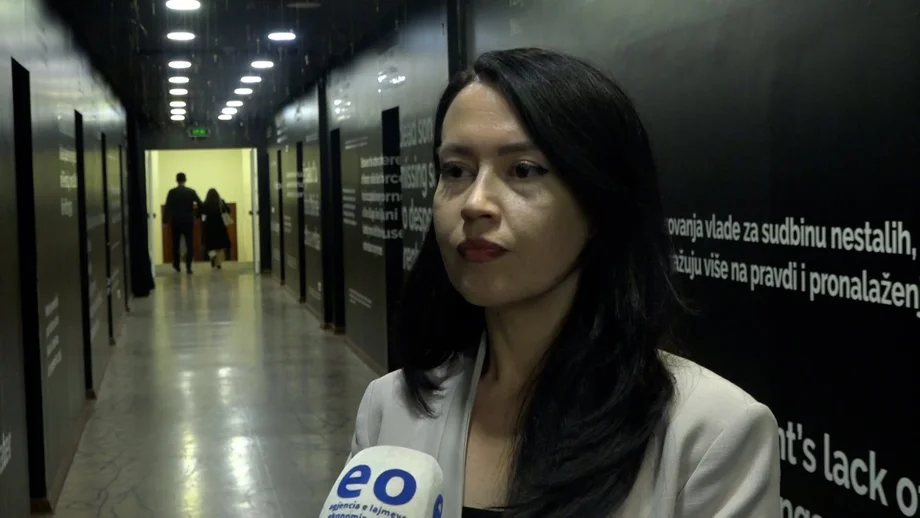
Vetëvendosje Movement MP Adelina Tërshani said that, while interviewing institutional actors, the Parliamentary Investigative Commission into the murder of Arlinda Zekaj had identified various violations, including suspicions of document forgery and the omission of questions from the forms used by the Center for Social Work (CSW).
In an interview with Ekonomia Online, Tërshani, who is a member of the commission, said that interviews had begun and that the findings so far pointed to institutional shortcomings that may have contributed to the fatal outcome of the case.
She stressed that, because of her commitment to preserving the confidentiality of testimony, she could not provide many details before the parliamentary investigation was completed, but warned that the findings were serious.
“This week, we have already begun interviewing, with the Investigative Commission into the Alinda Zekaj case, the actors who had the Alinda Zekaj case in their hands. Alinda, the deceased, unfortunately managed to bring many failings to light—I would say institutional failings—that ultimately resulted in her life being taken. What we are trying to do through the commission is identify these violations. Unfortunately, what is emerging is that there are even more serious violations, while always trying to preserve both confidentiality and the commitment I signed as a member of this investigative commission,” Tërshani said.
The MP cited the possibility of document forgery and the omission of questions from CSW forms as among the most troubling findings. Those questions relate to identifying people who have committed previous offenses and assessing risk.
According to her, this information may have been important in assessing the risk posed by the person against whom a protection order had been issued.
“I can go into more detail about what we have found, because all the interviews with all the witnesses were public and were followed throughout by you in the media. The findings are even more scandalous, including—if I may characterize them at the stage we are at, before we issue the report—what you have seen, and I believe you too, while following the cases: even the possibility of document forgery, and the omission of questions from the CSW forms. These would have recorded that, in fact, the person who was subject to a protection order—an order requiring him to stay away from the late Alinda Zekaj—was asked about in the form so as to identify him as a repeat offender or as someone who had committed a particular offense previously. I believe this may have affected the case, but it is a little difficult for me, in my position as a commission member, given the commitment we signed to preserve the confidentiality of much of the information we will receive and are receiving from witnesses, to go into greater depth or make very specific findings. I believe we will issue a report identifying the violations committed during the proceedings, and everyone will be held accountable,” she added.
Asked about the responsibilities of local and central institutions, and the possibility of one level shifting responsibility to another, Tërshani said that the commission was reviewing the testimony of all actors, while interviews so far had focused mainly on the local level.
She said the commission was following an order of interviews, starting with local institutions and moving up to central ones, including the Municipality of Peja and the relevant ministries.
Tërshani explained that the commission does not have the authority to impose criminal penalties on people who may have violated procedures, but would document all violations and present them in its final report, which will be reviewed and approved by the Assembly.
“At this stage, we are mainly interviewing representatives of the local level. We have started at the bottom and are moving up, and I believe you have also seen the list of witnesses who will each appear before the commission. I have said before that we are not a commission that can ensure that whoever has violated procedures, or whatever is established at the end of our investigation, will go to prison. Unfortunately, that is not, so to speak, within our remit. But we will ensure that every detail that can help is uncovered and included in the report, which will also be approved and adopted by the Assembly of the Republic of Kosovo, covering all the violations committed,” the MP said.
Regarding her role on the Committee on Human Rights, Gender Equality and Petitions, Tërshani said that the committee was not addressing the Zekaj case specifically, but was examining legislative shortcomings and the implementation of legislation on protection from domestic violence, gender-based violence and violence against women.
She said experts had also been engaged in the process to identify shortcomings in the law and assess how it is implemented in practice.
The killing of Arlinda Zekaj, 49, from Vitomirica in Peja, took place on October 25; her brother-in-law is suspected of killing her. The case prompted widespread public reaction and protests, as the killing took place despite her calls for protection.
Following the case, the Kosovo Assembly voted 90 in favor, none against and none abstaining to establish an 11-member Parliamentary Investigative Commission, mandated to investigate alleged institutional failings in the handling of the case.
The commission has six months from its establishment to prepare a final report with its findings and submit it to the Assembly.