KOC alarm: Kosovo heading toward failure and loss of the Mediterranean Games “Prishtina 2030”; urgent intervention by Kurti requested
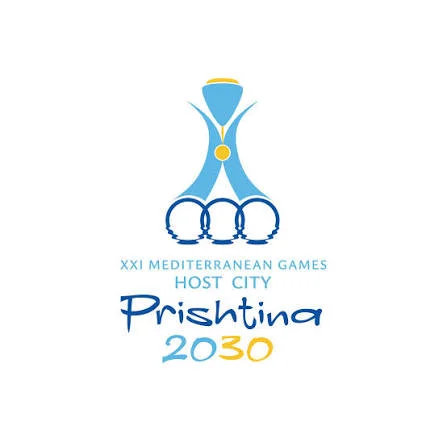
The Olympic Committee of Kosovo (KOC) has sounded the alarm that the project to organize the Mediterranean Games “Prishtina 2030” is on the brink of failure and that Kosovo is genuinely at risk of having its right to organize this major sporting event taken away. In a public letter addressed to the Prime Minister and the Chair of the Organizing Committee, signed by Secretary General Besim Aliti, the KOC has announced that the cancellation of the planned meeting in Athens with the International Committee of the Mediterranean Games (ICMG) has made the situation extremely serious.
In a public letter addressed to the Prime Minister and the Chair of the Organizing Committee, signed by Secretary General Besim Aliti, the KOC has announced that the cancellation of the planned meeting in Athens with the International Committee of the Mediterranean Games (ICMG) has made the situation extremely serious. According to the KOC, this diplomatic and institutional failure resulted from the failure to delegate institutional representatives in a timely manner.
The critical date for the Games’ future is December 19, 2026, when the ICMG Executive Committee will meet and formally consider withdrawing Kosovo’s right to host them.
In the published document, the KOC highlights that one of the main obstacles remains the failure to meet financial obligations to the ICMG, for which the invoice was sent back in June 2026.
These obligations stem from the amendments signed in December 2025 with the agreement of all three parties (the KOC, the Municipality of Pristina, and the Government of Kosovo), and are reflected in the Operating Budget of 253 million euros.
At the same time, the KOC has expressed deep concern over references made at the latest Government meeting regarding allegations of corruption in connection with this project. The Committee has assured that there have been no irregularities and has made its resources available to clarify any doubts, warning that these clashes are pushing the project toward disaster.
“We must not allow unclear suspicions, disinformation and bad advice, a lack of transparency or institutional miscoordination to damage the image and credibility of this project,” the statement said.
Believing that the Prime Minister’s personal intervention is essential to unblock the processes and bring the institutions together, the KOC has requested an urgent meeting of the KOLM before the decisive meeting on December 19.
“Losing the Mediterranean Games would be a major loss for Kosovo’s sport, development and international image. This is a historic opportunity that we must not lose because of a lack of coordination, decision-making or institutional will,” the Committee’s letter concludes.