Kos on incident involving Serbian song: I expressed regret to Kurti
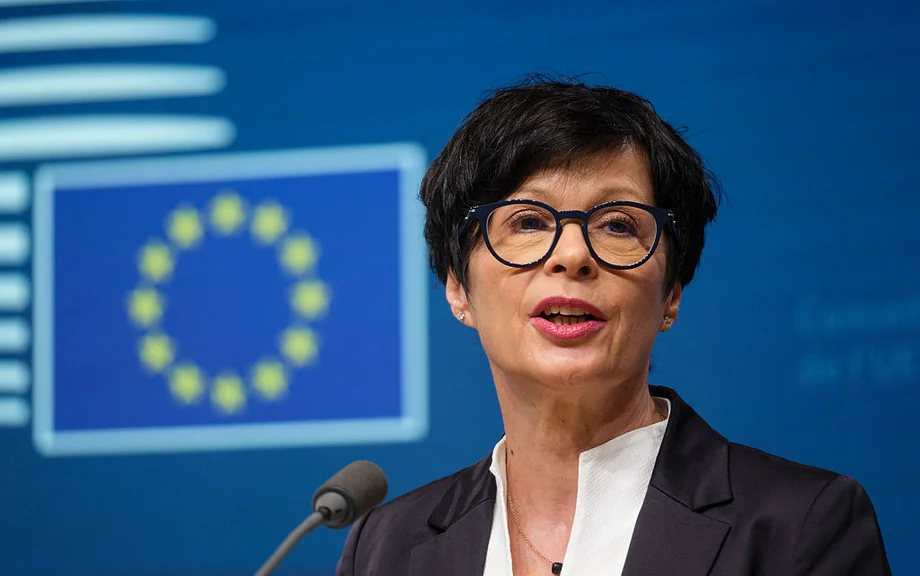
European Commissioner for Enlargement Marta Kos has confirmed that she spoke with Kosovo Prime Minister Albin Kurti following the incident involving the performance of a Serbian nationalist song at a concert organized as part of the European Union Enlargement Forum in Brussels on November 15.
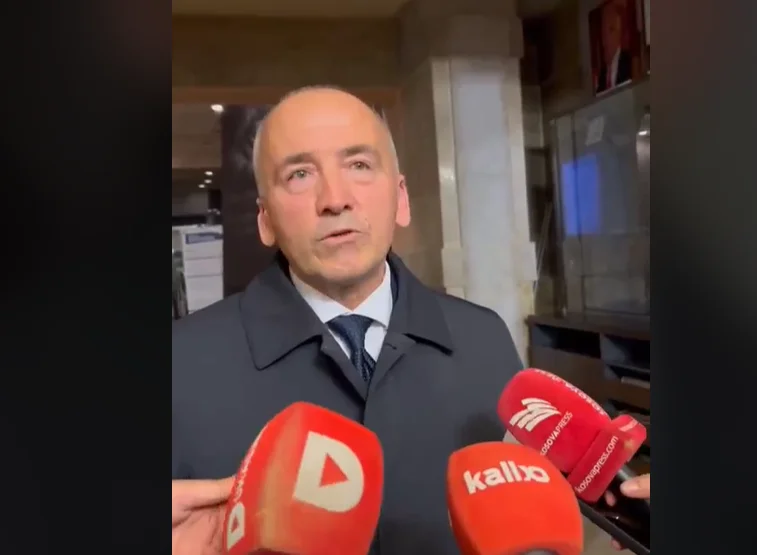
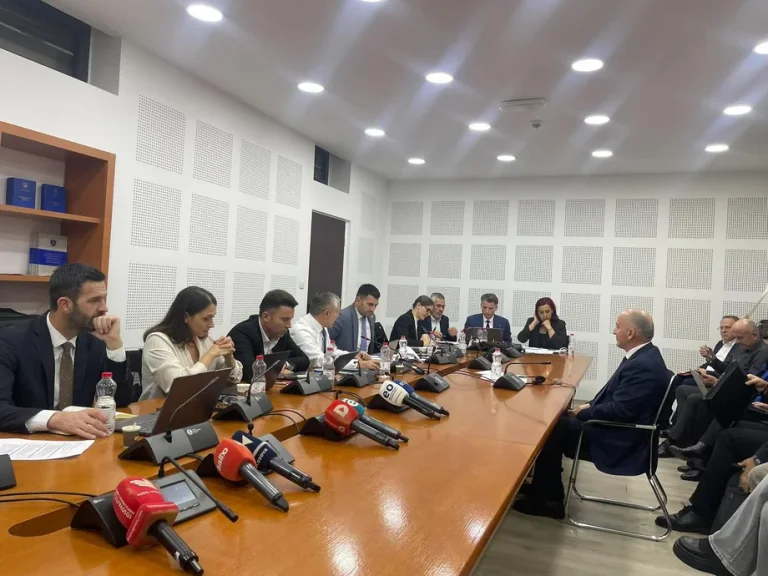
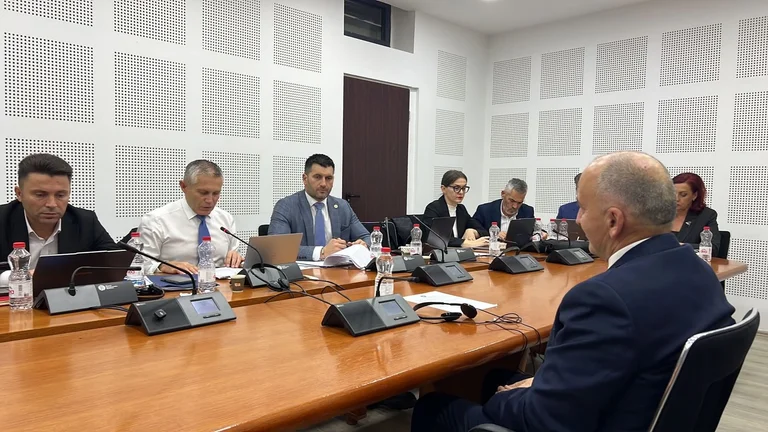
“I was also in contact with the prime minister and expressed my regret that something happened that should not have happened,” Kos said during a debate held on November 17 in the Committee on Foreign Affairs and European Affairs of Belgium’s [Chamber of Representatives].
She confirmed that the repertoire had been selected by the musical group hired for the concert in question, and that the European Commission, as the event organizer, had not approved it in advance.
“As for the musical part: as I said, we gave the musical group instructions on what we wanted, but we did not approve each song individually. I am very sorry that this happened because Kosovo deserves all our support and will receive all our support,” said Kos, who had also expressed regret over the performance of this song after the event.
On November 15, at the concert titled “Melodies of Unity: Harmony from Europe’s Crossroads,” alongside musical pieces from countries involved in the enlargement process, the melody of the Serbian song “Oj Kosovo, Kosovo” was also performed.
Its lyrics make territorial claims against Kosovo and oppose giving it up.
During the concert, only the melody was performed, without the lyrics being sung, while the song’s title appeared on screen, according to witnesses who attended.
This prompted numerous reactions from government and opposition representatives in Kosovo and in the European Parliament, who called for explanations about the choice of repertoire.
Slovenian musician Marko Hatlak, from the group Kapobanda, which performed the song, later apologized in a statement on social media.
According to him, choosing the song was an unintentional mistake, as he was unaware of its historical and political context.
The state of Kosovo did not participate in the event organized in Brussels.
However, Donika Emini, an expert on European affairs, was present at the event.
She told Radio Free Europe that she believes the choice of the Serbian song’s melody was not the result of carelessness.
In her view, the organizers should have shown greater care for the region’s historical and political sensitivities.
“I don’t think it was due to carelessness,” Emini said, stressing that the problem is not the song’s Serbian language, but the territorial claims against Kosovo contained in its lyrics.
Emini told RFE that the incident raises broader concerns about the European Union’s approach to Kosovo, especially at a time when both sides are trying to repair relations after tensions in recent years.
“The impact is very significant,” she said, warning that the event could negatively affect not only the Kosovo-Serbia dialogue, but also the overall atmosphere of relations between Pristina and Brussels.
The EU mediates the dialogue between Kosovo and Serbia and calls on both sides to implement the agreements reached on normalizing relations.
The process has stalled in recent years, and the parties have not held a high-level meeting since September 2023./Radio Free Europe