Llumnica: 17 KEK workers have died during 2026
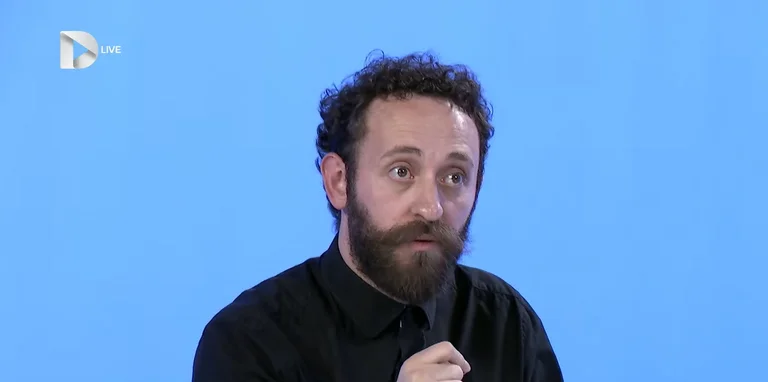
The deputy chair of the New KEK Trade Union, Nexhat Llumnica, has announced that 17 employees of the Kosovo Energy Corporation died during 2026, four of them in fatal accidents, while the deaths of 13 others are suspected to have been caused by occupational diseases.
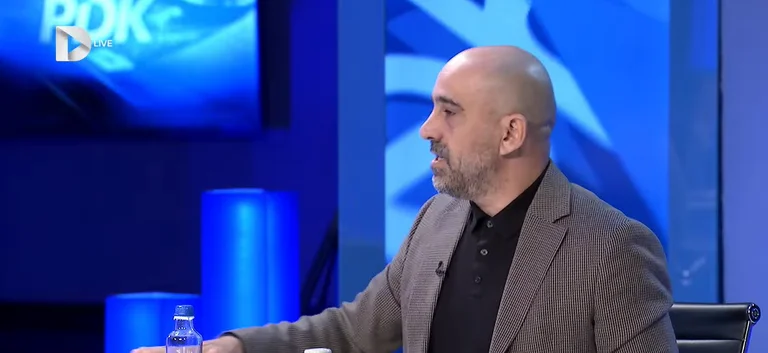
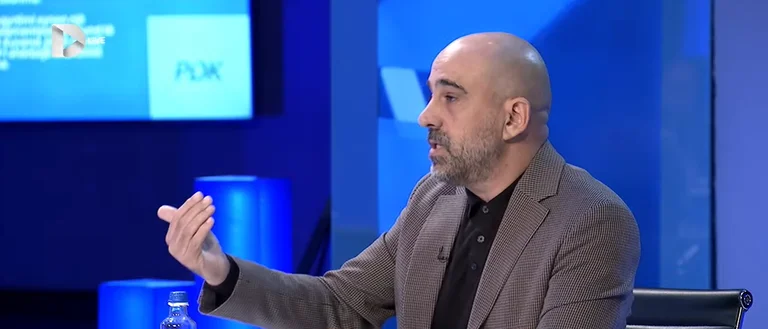
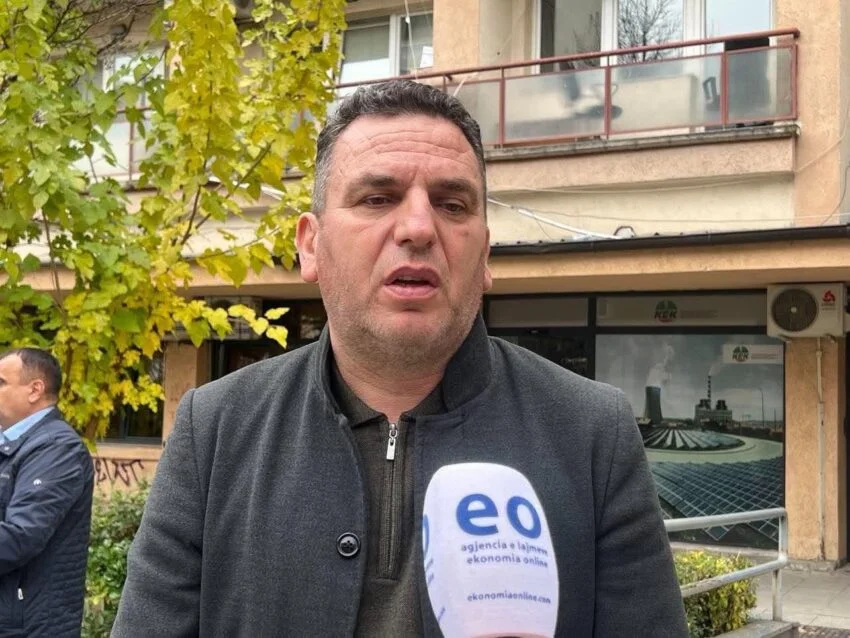
In an interview with Ekonomia Online, Llumnica said that KEK workers are constantly exposed to workplace hazards, including toxic gases, dust and other factors that may affect their health.
He stressed that the nature of work at KEK is difficult and dangerous, and linked suspicions that the 13 deceased workers had occupational diseases to their exposure during the work process.
“During 2026 alone, we have had 17 workers die. Four of them were in fatal accidents, while we believe the other 13 died from occupational diseases, based on toxic gases, dust and other factors that may affect their health as a result of the work process,” Llumnica said.
Despite the difficult conditions and hazardous nature of the work, he said that workers’ wages are unsatisfactory, prompting the union to seek an increase and the payment of a 13th-month salary.
Llumnica said that, following last week’s protest, they held negotiations on Wednesday with KEK’s board and management, who asked for two to three days to review the workers’ demands and provide a response.
He warned that if there is no positive response, the protest and announced strike will continue.
“We have demanded higher wages and a 13th-month salary, just as the entire public sector has received. It is incomprehensible that employees of the Kosovo Energy Corporation should not receive a 13th-month salary, given their working conditions, the production of an essential service and the hazardous nature of their work,” he said.
According to Llumnica, KEK workers feel discriminated against, since around 30 million euros, as he said, were reallocated from public enterprises to pay a 13th-month salary to public-sector employees, while KEK did not benefit from this process.
He stressed that the union is not opposed to benefits for public-sector employees, but is demanding that KEK workers also be treated equally, taking into account the hazards of their work and the importance of the service they provide.