Northern Lights Draw Tourists to Scandinavia
One of the planet’s most captivating natural spectacles is attracting the attention of travelers from around the world. The northern lights, known as the Aurora Borealis, have turned the autumn and winter season into a special period for tourism in the Nordic countries. As nights grow longer and temperatures drop, destinations […]
One of the planet’s most captivating natural spectacles is attracting the attention of travelers from around the world. The northern lights, known as Aurora Borealishave turned the autumn and winter season into a special period for tourism in the Nordic countries.
As nights grow longer and temperatures drop, destinations such as Tromsø in Norway, Lapland in Finland and Abisko in Sweden are among the well-known places for tourists who want to experience this natural phenomenon.
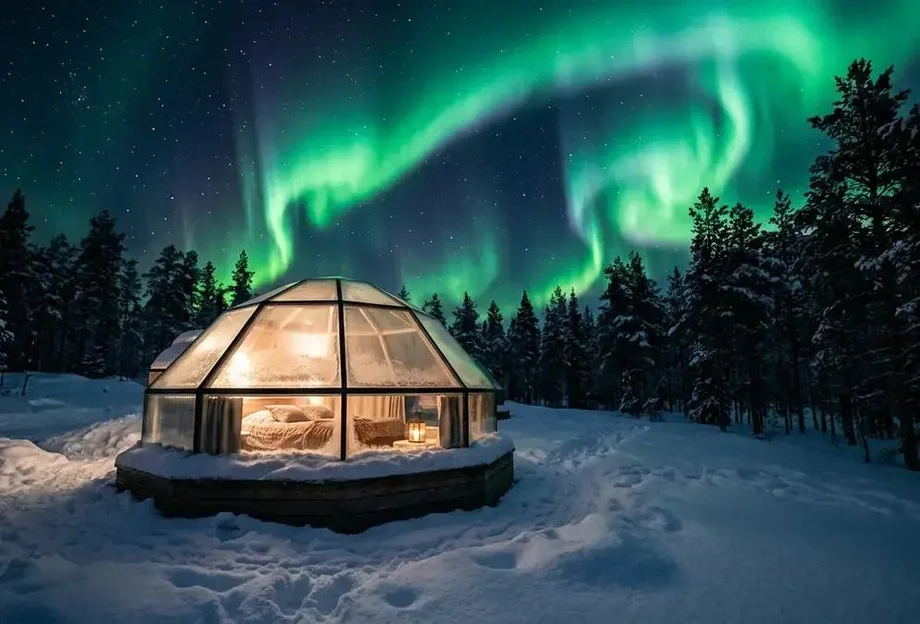
The Aurora Borealis is created when electrically charged particles from the Sun interact with gases in Earth’s atmosphere, producing waves of light in different colors, mostly green, but also red, purple and pink.
According to tourism information from the Nordic countries, the period from October to March is among the best for searching for the northern lights, as the long darkness creates better conditions for viewing them. In Finland, the season can last from late August until early April.
One of the most sought-after destinations is Tromso, in northern Norway, which offers opportunities for organized excursions in search of the aurora, dog-sledding trips with huskies and experiences in the Arctic wilderness. The city is also a starting point for exploring the fjords and small northern villages.
In Finland, Lapland offers a unique experience with glass-roofed cabins, where visitors can lie down and watch the sky while waiting for the colorful lights. Rovaniemi, the city also known as the birthplace of Santa Claus, is another destination that attracts families and tourists during the winter season.
Meanwhile, in Sweden, Abisko is considered one of the well-known places for viewing this phenomenon, thanks to its geographical location and favorable sky conditions at certain times.
In addition to the aurora, these destinations also offer other winter activities, such as skiing, snowmobile rides, sled trips and stays in special hotels surrounded by Arctic nature.
However, travelers should bear in mind that the appearance of the northern lights cannot be guaranteed. Visibility depends on solar activity, cloud cover and atmospheric conditions. For this reason, tourists are recommended to plan several nights of stay and check local forecasts for weather and auroral activity.
With snow-covered landscapes, polar nights and the chance to see one of nature’s most remarkable phenomena, Scandinavia remains one of the most interesting regions for travel during the winter season.