Der Spiegel: German intelligence services uncover sabotage and assassination operations linked to Russia
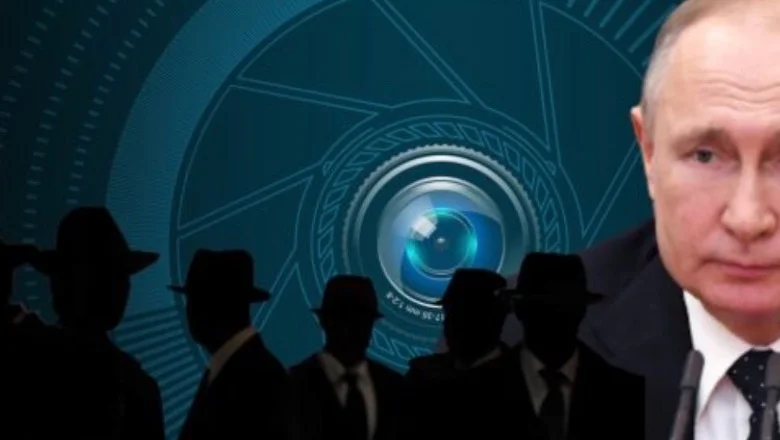
Germany is facing an intensified wave of Russian hybrid operations aimed at political destabilization, weakening support for Ukraine, and striking German critical infrastructure. The warning comes from Der Spiegel magazine, which describes a “shadow war” waged by Russian intelligence on German territory. According to the report, German intelligence services believe that […]
Germany is facing an intensified wave of Russian hybrid operations aimed at political destabilization, weakening support for Ukraine, and striking German critical infrastructure.
The warning comes from Der Spiegel magazine, which describes a “shadow war” waged by Russian intelligence on German territory.
According to the report, German intelligence services believe that Russia now considers Germany its main adversary in Europe because of its role in providing political, economic, and military support to Ukraine.
One of the most troubling developments involves Russian hackers infiltrating the encrypted communications of Germany’s political elite through the Signal app, which until now was considered one of the most secure communication platforms.
Those named among the targets of the attacks include Bundestag President Julia Klöckner, two German ministers. It was revealed that during January 2026 alone, more than 13,700 phone numbers were targeted by a malicious Russian program known as “ApocalypseZ.”
According to the report, there are suspicions that Chancellor Friedrich Merz’s communications may also have been compromised through these infiltrations.
The report notes that after hundreds of Russian diplomats suspected of being intelligence agents were expelled from European countries, Moscow changed its operational tactics. In addition to professional GRU and FSB agents, Russia is increasingly using people recruited via Telegram for propaganda assignments, sabotage, and covert operations.

One of the most serious incidents mentioned occurred at Leipzig/Halle Airport, where a package from Lithuania caught fire before being loaded onto an aircraft. Investigators suspect that the incendiary device was concealed inside a massage cushion and that the operation was linked to Russian military intelligence.
German authorities have also thwarted several suspected plots to assassinate people connected with the military industry that supplies Ukraine with drones and combat equipment.
In two separate cases, a Ukrainian man and a Romanian woman were arrested on suspicion of gathering secret information and surveilling owners of drone factories in Germany. Investigators believe the information could have been used for possible assassinations.
According to Der Spiegel, Russian operations are also targeting former Ukrainian intelligence officials and Ukrainian soldiers living in Germany. People suspected of surveilling former Ukrainian officials for the purpose of physically eliminating them have been arrested in Frankfurt and Hagen.
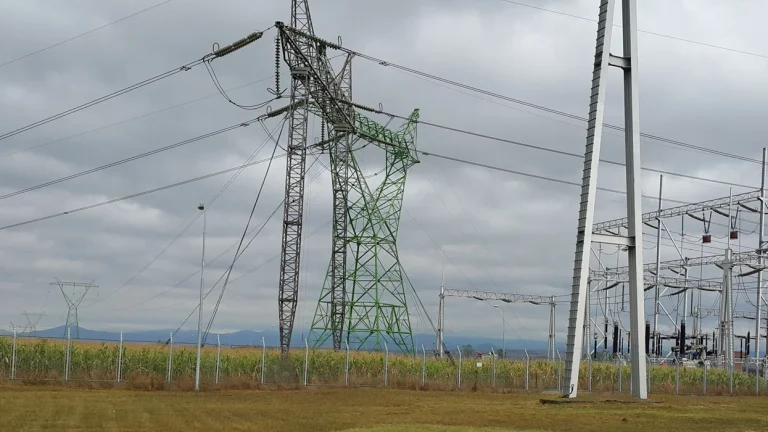
German critical infrastructure also remains an important target of hybrid operations. A hidden camera was discovered in the city of Minden near a train station used as a hub for transporting weapons to Ukraine.
In response to these threats, Berlin is changing its national security strategy. According to the report, German intelligence services are being transformed into more active and offensive organizations, with plans to use artificial intelligence, facial recognition technology, and infiltration of suspects’ digital devices.
Significant changes are also expected at the BND, which may be granted authority to conduct active cyber operations and sabotage outside German territory, including actions against Russian military facilities and drone factories.
According to Der Spiegel, Berlin’s new message is that Germany can no longer remain solely in a defensive role in the face of Moscow’s hybrid war and must be prepared to respond with similar measures against Russia.