EU suspends funds for Serbia over legal reforms
The European Union (EU) has frozen the funds earmarked for Serbia under the Growth Plan for the Western Balkans, signaling a serious deterioration in relations with Belgrade over interference in the justice system. Enlargement Commissioner Marta Kos said the decision comes as a result of the setbacks Serbia has made in judicial independence […]
The European Union (EU) has frozen the funds earmarked for Serbia under the Growth Plan for the Western Balkans, signaling a serious deterioration in relations with Belgrade over interference in the justice system.
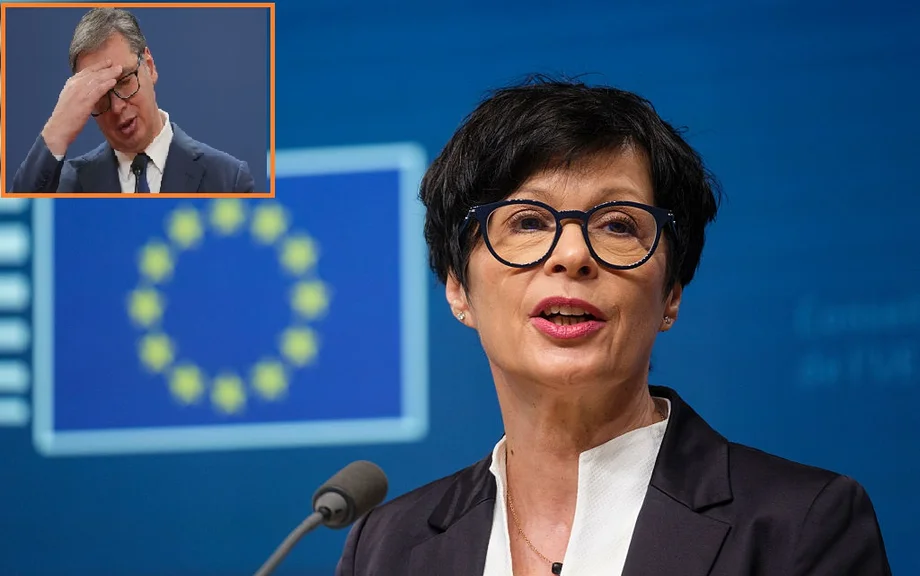
Enlargement Commissioner Marta Kos said the decision comes as a result of the setbacks Serbia has made in judicial independence, describing the situation as concerning.
“For the time being, we have stopped all payments from the Growth Plan because there has been backsliding in the judiciary,” Kos said, warning that the funds would not be unlocked until there were concrete changes.
The decision affects a significant part of the €6 billion package that the EU has allocated for the region for the 2024–2027 period, with Serbia set to receive more than €1.5 billion. However, Brussels is making it clear that funding is not unconditional and is directly linked to respect for democratic standards.
Recent reforms adopted by the Serbian parliament, without consultation with judges, prosecutors or European institutions, have prompted strong reactions. Critics say the changes increase political control over the judiciary and weaken safeguards for the independence of prosecutors.
These developments are taking place at a sensitive time, as high-profile corruption investigations involving senior figures in power are underway in Serbia, raising questions about the real motives behind the reforms.
Kos also did not spare criticism of the state of democracy and media freedom in the country, emphasizing that Serbia is facing deep political polarization after a long wave of anti-corruption protests.
“Serbia is very polarized today… unfortunately, we are seeing a decline,” she said, Euroactiv reports, Dukagjini reports.
At the same time, Brussels has also questioned Serbia’s foreign policy course, as it continues to maintain close ties with Russia and refuses to impose sanctions on it.
“You cannot sit on two chairs,” Kos warned, signaling that Belgrade’s dual approach is no longer acceptable to the EU.
Despite Serbia having received an initial installment of €56.5 million in January, recent developments show that the European integration process is entering a more difficult phase, in which political compromises will not be tolerated without real reforms.