Former British minister: There is simply no compelling evidence that could convict Thaçi
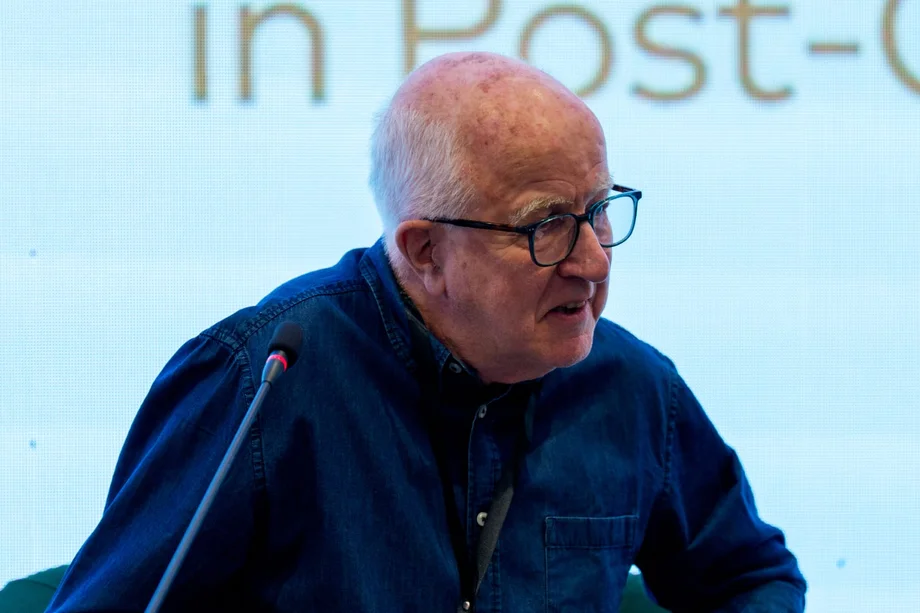
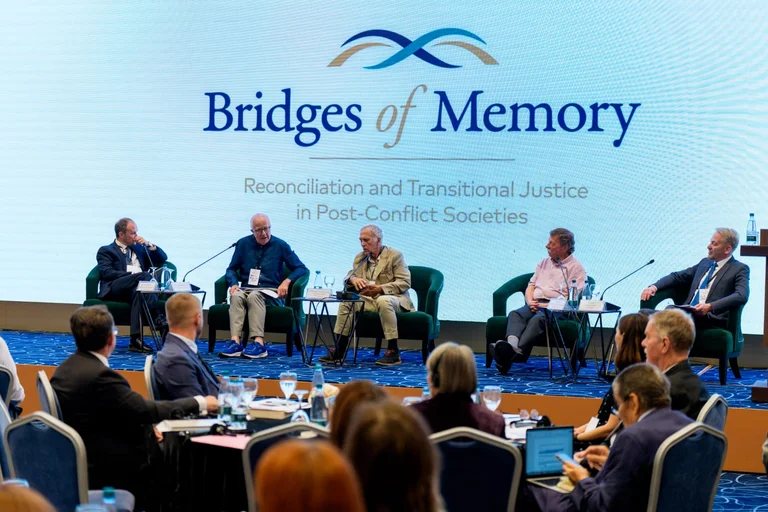
Former British minister Denis MacShane, who served in Prime Minister Tony Blair’s government, took part last week in the “Bridges of Remembrance” conference, organized by the organizations “Freedom Has a Name” and KIPRED. On this occasion, MacShane also focused on Hashim Thaçi’s trial at the Specialist Chambers. MacShane called Thaçi “one of […]
StartFragment
Former British minister Denis MacShane, who served in Prime Minister Tony Blair’s government, took part last week in the “Bridges of Remembrance” conference, organized by the organizations “Freedom Has a Name” and KIPRED.
On this occasion, MacShane also focused on Hashim Thaçi’s trial at the Specialist Chambers. MacShane called Thaçi “one of the most successful architects of wartime political communication, who managed to persuade the international media and even US Secretary of State Madeleine Albright to reject the far more sophisticated and better-funded propaganda of the Serbian regime,” yet he decided “voluntarily to surrender to the Specialist Chambers in The Hague in November 2020.”
Former minister MacShane, who also had a career as a journalist and author of books, accused some Western circles of responsibility for developments in The Hague: “The naive hope of some Western circles that Kosovo’s leaders could be placed on the same moral and legal footing as the death squads of Milošević’s regime has proved to be a dead end.”
But despite Thaçi’s merits, MacShane stated that “since then he has continued to be held in detention. To this day, no compelling evidence or credible testimony has been presented that could lead to his conviction.”
Denis MacShane concludes that “nevertheless, so much has been invested in the idea that international courts, judges, prosecutors and legal procedures can heal wounds and bring reconciliation and harmony after bloody conflicts that no one seems willing to accept an unpleasant truth: Kosovo risks remaining a truncated state for as long as the European Union continues to tolerate the fiction that its full recognition as a state is not necessary.”
EndFragment