Economists say high inflation is burdening businesses and impoverishing citizens
Experts on economic issues have assessed that high inflation is hitting living standards and worsening the position of businesses in Kosovo. According to them, rising prices are reducing citizens’ purchasing power, while a lack of productive investment and political instability are hindering the country’s long-term economic development. Former chairman of the […]
Experts on economic issues have assessed that high inflation is hitting living standards and worsening the position of businesses in Kosovo.
According to them, rising prices are reducing citizens’ purchasing power, while a lack of productive investment and political instability are hindering the country’s long-term economic development.
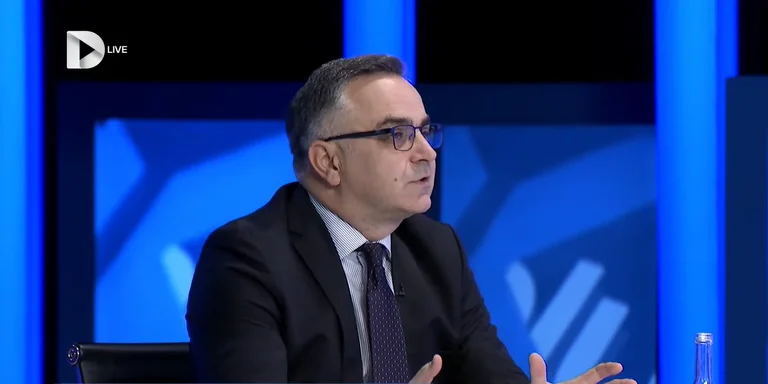
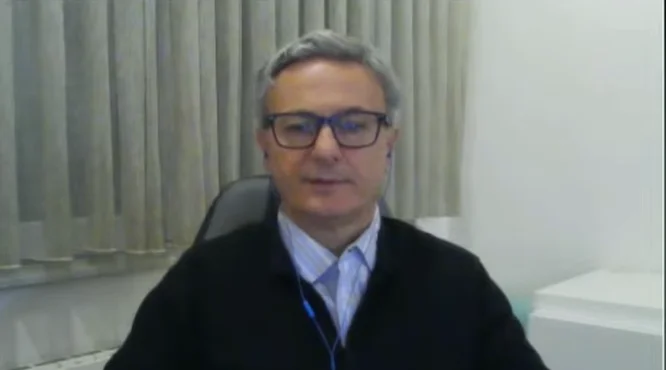
Former chairman of the Kosovo Chamber of Commerce, Safet Gërxhaliu, said that warnings about inflation and economic problems are being overshadowed by the political crisis and the debate over power.
“What is concerning is the fact that recommendations coming either from local experts or from international institutions, when they do not serve daily politics, are either silenced or opposed without argument. In this regard, as far as the negative effect of inflation rising to 7.5% in 2026 is concerned, we have warned that this is truly a worrying situation,” he told EO.
He added that international reports have also raised concerns about corruption, political appointments and media freedom.
“Inflation is not the only problem flagged by the European Union. There have been three reports concerning political appointments, attacks on and the lack of media freedom, but above all, corruption and tenderomania, which has become a cancerous disease in Kosovo. Therefore, it really is time for Kosovo to achieve political stability as soon as possible. Political stability is difficult to achieve with this political mentality, because in Kosovo, it seems, elections are not won in order to govern, but to rule,” Gërxhaliu said.
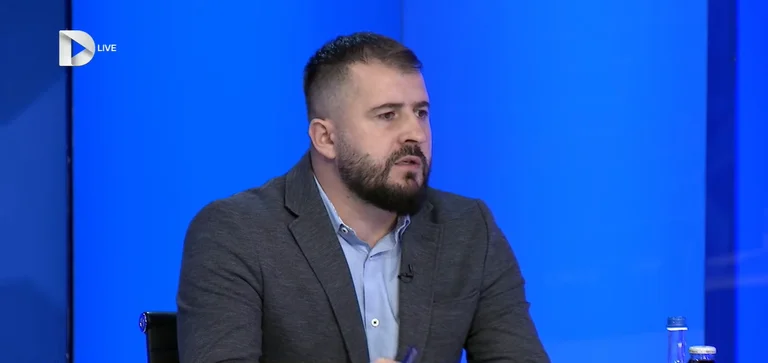
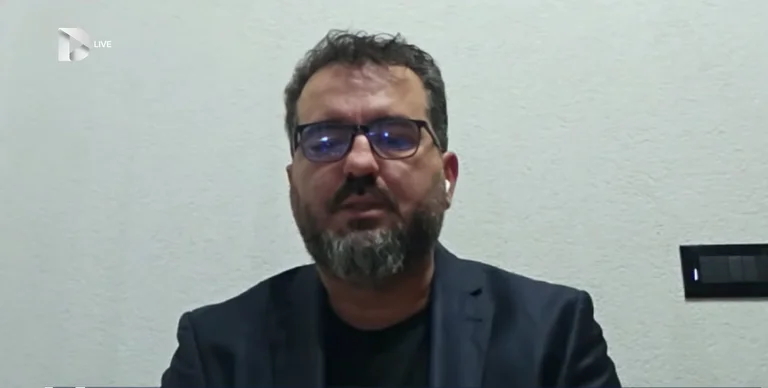
Economist Ismet Mulaj also assessed that rising inflation is impoverishing citizens and negatively affecting businesses.
“Naturally, this impoverishes citizens. It impoverishes citizens, and of course it impoverishes businesses too, because citizens consume less and buy less. Or, citizens do not, do not invest. Since they do not invest, that means they save the entire financial amount they have for consumption because, how should I put it, these are basic needs; then businesses are discouraged. Naturally, there are businesses today, and the largest investments made by Kosovars in capital investments are in Albania. Kosovars have invested around 600 to 700 million euros in Albania,” Mulaj told EO.
He said Kosovo should focus on major development projects that would encourage investment and economic growth.
According to the Kosovo Agency of Statistics, in April 2026 Kosovo recorded its highest level of inflation in the past three years, reaching 7.5 percent, while in May inflation was recorded at 6.8 percent.
According to the data, the inflation rate in Kosovo remains significantly higher than the European Union average, which is around 3.2 percent.