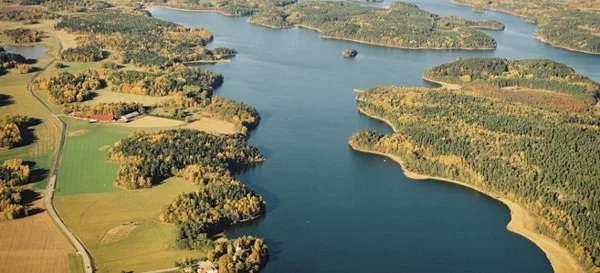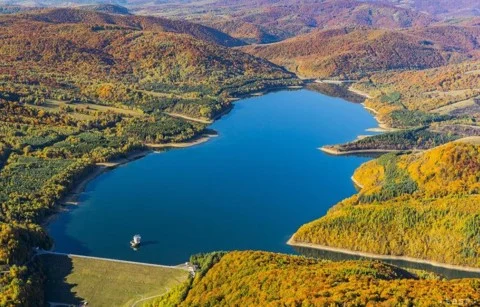
List of the 27 EU member states where the construction of private buildings near lakes is prohibited under EU legislation
Protecting reservoirs and artificial lakes that serve as sources of drinking water or are of strategic importance for water and energy supply is an established practice in the member states of the European Union. All 27 EU member states have reservoirs and artificial lakes that are subject to special regimes of […]
Protecting reservoirs and artificial lakes that serve as sources of drinking water or are of strategic importance for water and energy supply is an established practice in the member states of the European Union.
All 27 EU member states have reservoirs and artificial lakes subject to special environmental protection, sanitary or water-resource management regimes. In these areas, national legislation provides for strict restrictions or bans on the construction of private buildings near the shore, with the aim of preserving water quality, protecting ecosystems and ensuring the safety of water infrastructure.
Among the best-known examples are the Rappbode Reservoir in Germany, the Mornos Reservoir in Greece, the Švihov Reservoir in Czechia, the Castelo de Bode Reservoir in Portugal, the Starina Reservoir in Slovakia and the Iskar Reservoir in Bulgaria. At these and many other reservoirs, the surrounding areas are protected through special rules that restrict or prohibit residential construction.
These measures are based on each country's national legislation, in line with the European Union's general framework for protecting water resources, which aims to prevent pollution, preserve drinking water quality and ensure the sustainable management of water reserves.
European practice shows that the protection of strategic reservoirs is considered not only a matter of spatial planning, but also a public interest linked to environmental safety, public health and long-term water supply.
Below is an overview of the 27 member states of the European Union, together with a well-known artificial lake or reservoir in each, where national legislation provides for strict restrictions or bans on the construction of private homes in order to protect water resources, sanitary zones and the environment.
Denmark – Tange Sø
Protection status: Denmark's largest artificial lake. Its shores are protected under the Danish Nature Protection Act and environmental policies, which prohibit the construction of homes.
Estonia – Paunküla Reservoir (Paunküla veehoidla)
Protection status: An important reserve source for Tallinn's water supply. The surrounding land has been designated a water protection area, where the construction of homes is prohibited to prevent pollution.
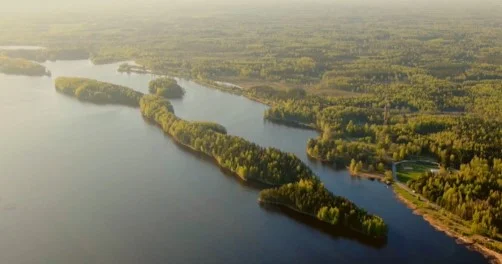
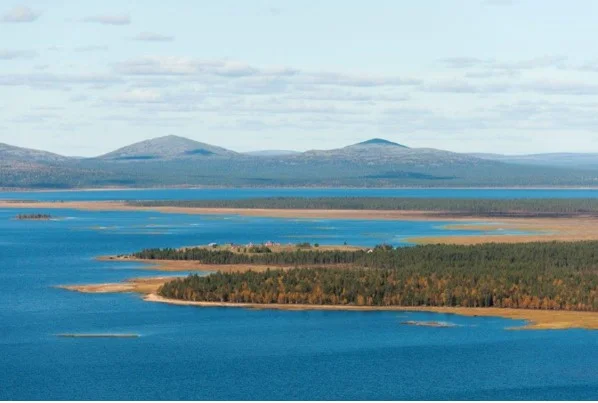
Finland – Lokka Reservoir (Lokkan tekojärvi)
Protection status: A large artificial reservoir in Lapland, surrounded by protected peatland ecosystems and conservation areas, where home construction is not permitted.
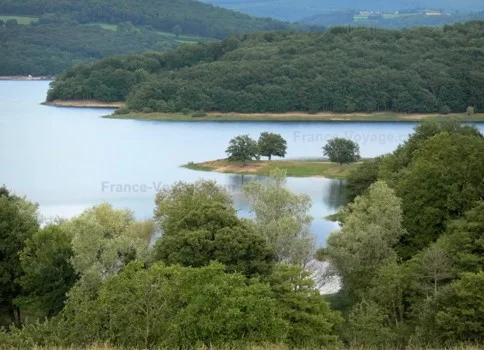
France – Lake Pannecière (Lac de Pannecière)
Protection status: Located in Morvan Regional Natural Park. As a reservoir for flood control and water supply, it is protected by French legislation and regional park regulations, which prohibit construction near its shores.
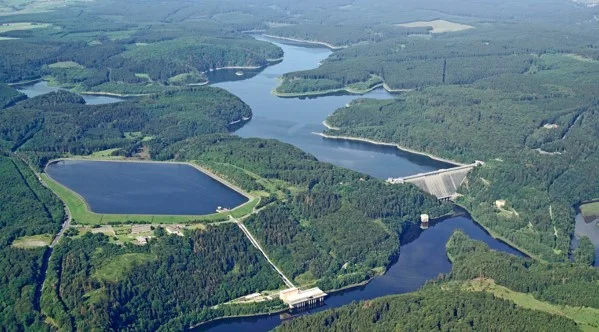
Germany – Rappbode Reservoir (Rappbode-Talsperre)
Protection status: The largest drinking water reservoir in the Harz region. It is surrounded by drinking water protection zones (Trinkwasserschutzzone I and II), where the construction of homes is prohibited.
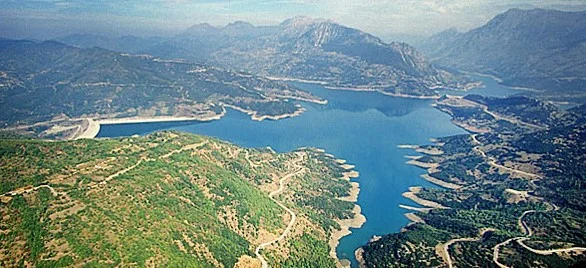
Greece – Mornos Reservoir
Protection status: Athens's main water source. The catchment area is protected by legal acts that prohibit residential development within designated sanitary zones.
Hungary – Lake Tisza (Kisköre Reservoir)
Protection status: Although some parts are used for tourism, the sectors within Hortobágy National Park are protected by law and prohibit the construction of homes along protected shores.
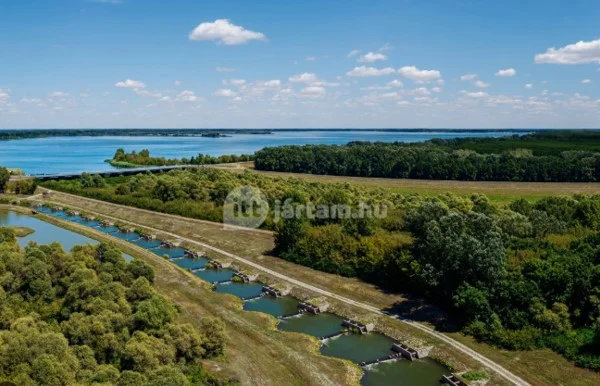
Ireland – Poulaphouca Reservoir (Blessington Lakes)
Protection status: Created by the Poulaphouca Dam to supply water to Dublin. The shores are protected by local development plans and water legislation, which prohibit the construction of homes near the water.
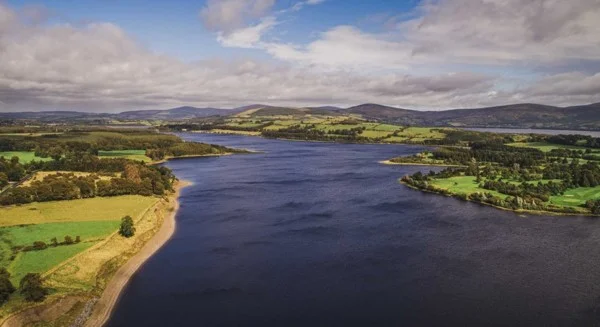
Italy – Lake Campotosto (Lago di Campotosto)
Protection status: An artificial reservoir within Gran Sasso and Monti della Laga National Park. Park regulations prohibit the construction of residential buildings along the shores.
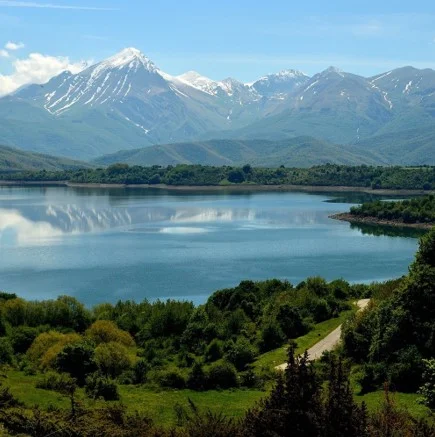
Latvia – Pļaviņas Reservoir (Pļaviņu ūdenskrātuve)
Protection status: A large hydropower reservoir on the Daugava River. State water protection law prohibits the construction of homes in protected areas and floodplains.
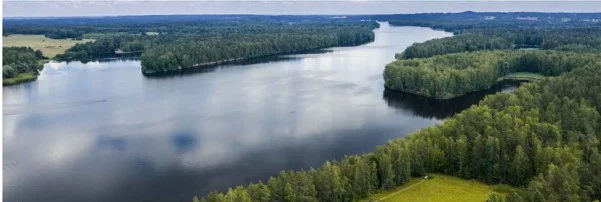
Lithuania – Kaunas Reservoir (Kauno marios)
Protection status: Created by the Kaunas Hydroelectric Power Plant and part of Kaunas Lagoon Regional Park. Its nature protection status prohibits the construction of private homes.
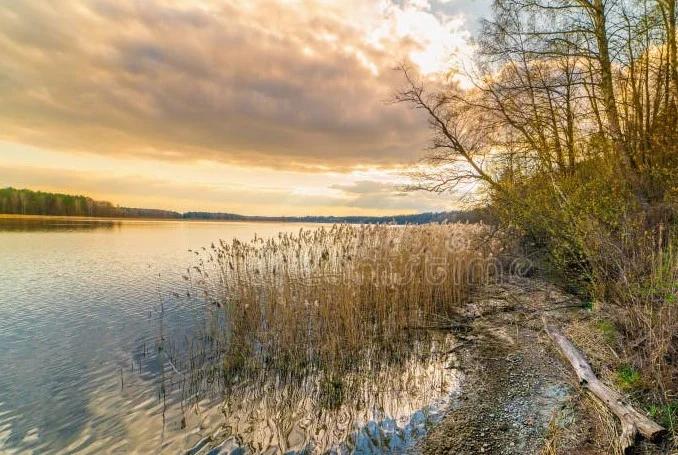
Luxembourg – Upper Sûre Lake (Stausee Uewersauer)
Protection status: Supplies drinking water to more than half of Luxembourg's population. It has been designated a national water protection area, where the construction of homes is prohibited.
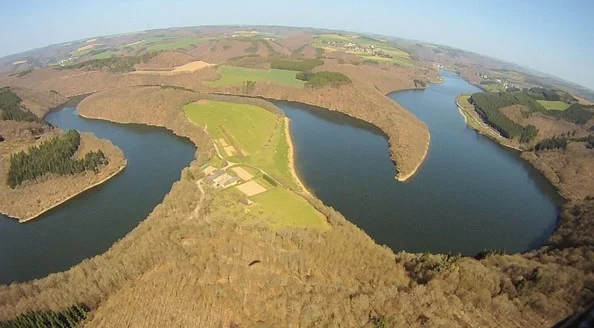
Malta – Chadwick Lakes (Wied il-Qleiħa)
Protection status: A historic system of dams and artificial reservoirs. The area is classified as Outside Development Zone (ODZ) and a Special Area of Conservation (SAC), where the construction of homes is not permitted.
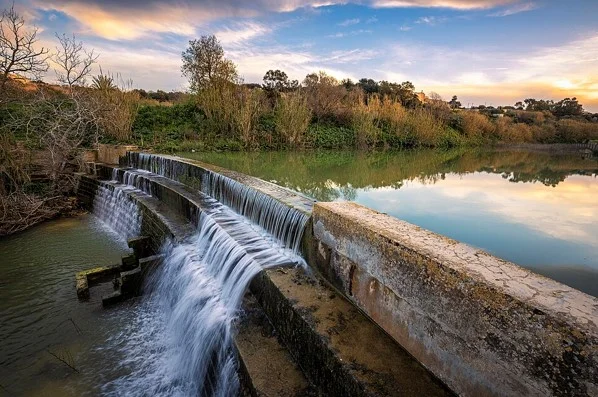
Netherlands – De Gijster Reservoir
Protection status: An important water storage reservoir located within De Biesbosch National Park. Park and environmental protection regulations prohibit the construction of homes.
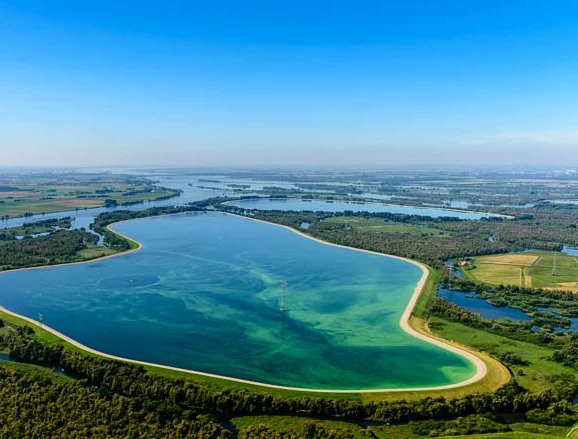
Poland – Lake Solina (Jezioro Solińskie)
Protection status: An artificial lake in the Bieszczady region, surrounded by the San Valley Protected Landscape Area, where protection zones prohibit the construction of homes along the shores.
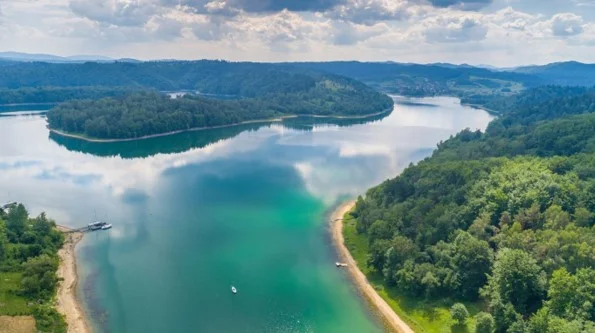
Portugal – Castelo de Bode Reservoir (Albufeira de Castelo de Bode)
Protection status: One of Lisbon's main sources of drinking water. It is managed under the Reservoir Management Plan, which prohibits construction near the shores.
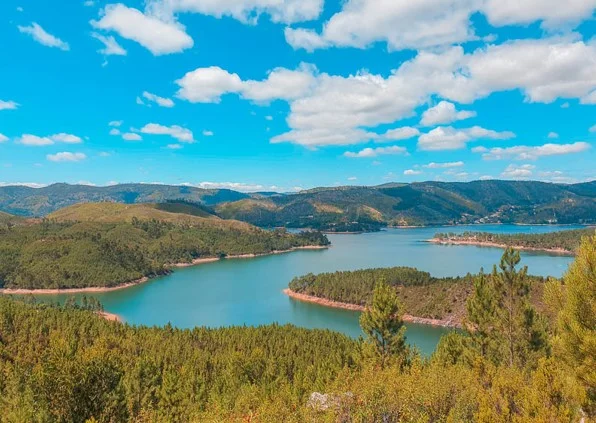
Romania – Lake Vidraru (Lacul Vidraru)
Protection status: A mountain hydropower reservoir. Its catchment areas and surrounding environment are protected by law, prohibiting the construction of homes along the shores.
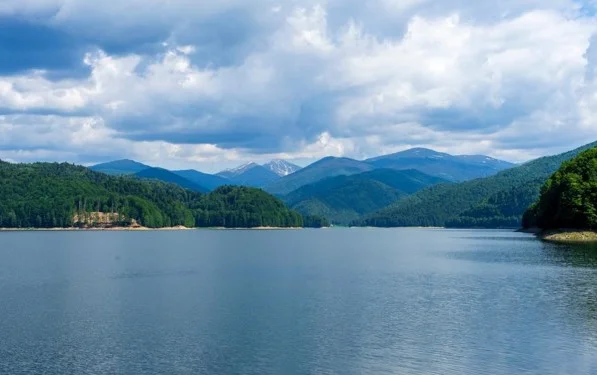
Slovakia – Starina Reservoir (Vodná nádrž Starina)
Protection status: Slovakia's main drinking water reservoir, located in Poloniny National Park. It has category I and II sanitary protection zones, where construction is prohibited and, in some areas, even people's entry is restricted..
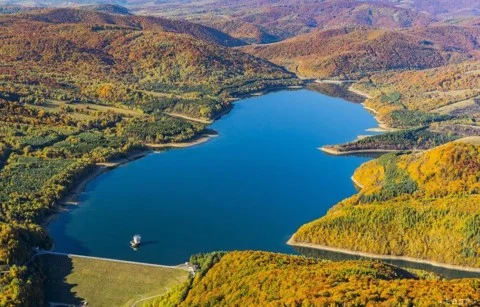
Slovenia – Moste Reservoir
Protection status: A hydropower reservoir on the Sava Dolinka River. Water resource management regulations prohibit the construction of residential buildings along the shores and in areas at risk of erosion.
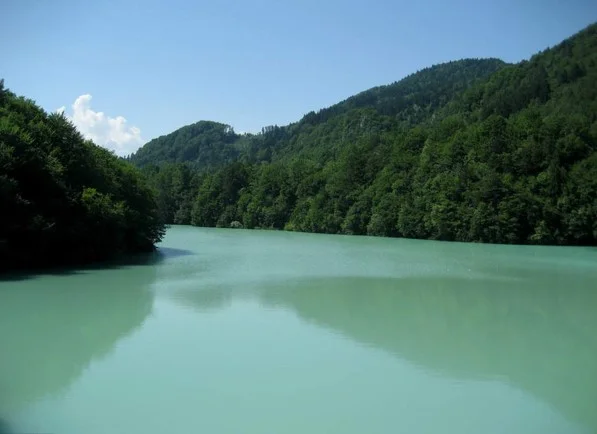
Spain – El Atazar Reservoir (Embalse de El Atazar)
Protection status: The largest reservoir supplying Madrid with drinking water. It is included in a protected catchment area, where regional legislation prohibits the construction of private homes.
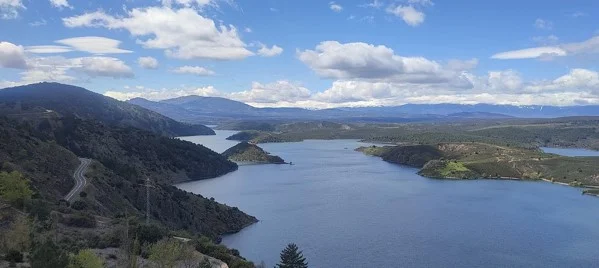
Sweden – Bornsjön Reservoir
Protection status: A reserve reservoir for Stockholm's drinking water supply. It has been designated a Water Protection Area (Vattenskyddsområde), where the construction of homes and land development near the lake are prohibited.