
“Are there any Albanians among you?”
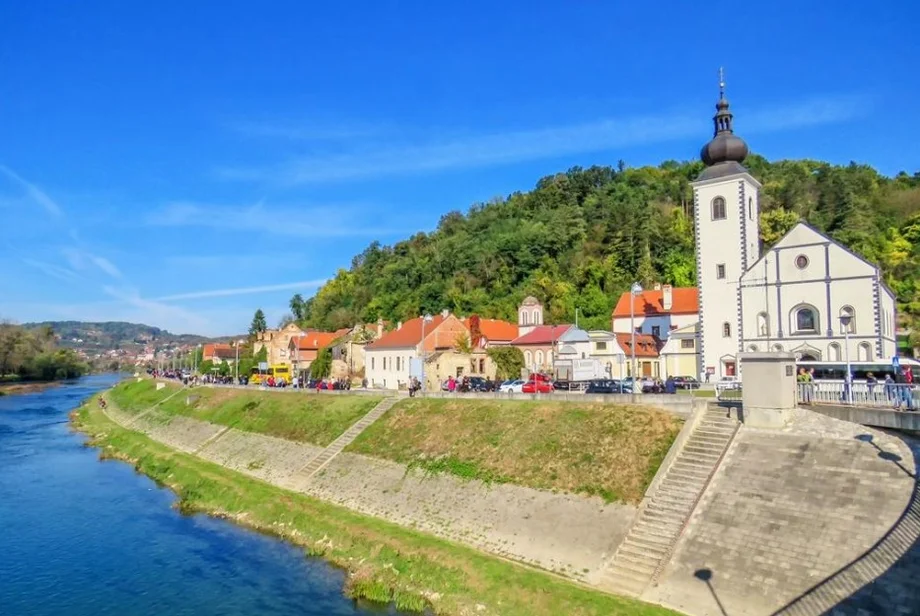
At first glance, Hrvatska Kostajnica looks like a quiet little town. About an hour and a half from Zagreb, it gives the impression of a place where time has slowed down. The few movements of its residents add to the calm, further intensified this summer by the scorching heat. But behind this picture lies a history of war and sacrifice […]
At first glance, Hrvatska Kostajnica looks like a quiet little town. About an hour and a half from Zagreb, it gives the impression of a place where time has slowed down. The few movements of its residents add to the calm, further intensified this summer by the scorching heat. But behind this picture lies a history of war and sacrifice.
Because this small town lies on the border with Bosnia and Herzegovina, it is, in fact, now the border of the European Union itself. There is something unique about Hrvatska Kostajnica: the Una River, which divides Croatia and Bosnia, is not a border in this town. Croatian territory extends to the other side of the river, where the border crossing is just a few meters farther on.
Precisely because of this strategic position, fierce fighting took place here in the autumn of 1991. The Croatian defenders put up unparalleled resistance, but after running out of ammunition and being surrounded for a long time, they were forced to surrender. On September 13, 1991, the forces of the then Yugoslav People’s Army (JNA) occupied the town, while many captured Croatian defenders were sent to the infamous Manjača camp, near Banja Luka, where they were subjected to inhuman torture.
“Are there any Albanians among you?”
Among the many testimonies from that time, one remains particularly significant. According to former prisoners’ accounts, as prisoners of war were being gathered, JNA officers had a special task: they wanted to know whether there were any Albanians among them.
The question was repeated constantly:
“Are there any Albanians among you?”
The aim was to identify them and give them “special” treatment.
The fate of Albanians in Croatia who fell into the hands of Serbian forces was sealed. We would see this throughout Croatia and later in Bosnia and Herzegovina, bringing to mind the scenes of killings in Bijeljina, where Arkan’s terrorists, sent from Serbia, killed the few Albanians living in that city, who were also the first victims of those terrible days in April 1992.
Similar methods had been used earlier, after the city of Vukovar was captured, when an Albanian had no chance of surviving. Kemal Saitin, a member of the Croatian forces, was captured along with the other defenders of Vukovar and separated from them in the hangar where they were being held. Serbian soldiers beat him to death.
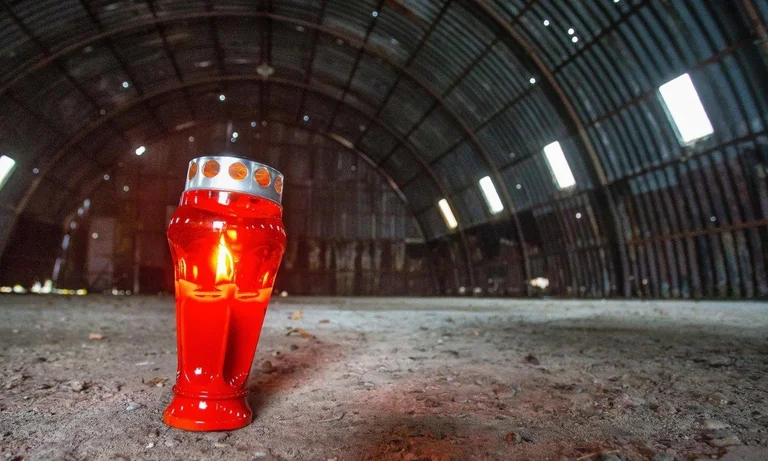
The same question had been asked in the hangar in Vukovar as in Hrvatska Kostajnica:
“Are there any Albanians among you?”
On September 13, 1991, in Hrvatska Kostajnica, the order was clear: find the Albanians among the Croatian defenders. This was a product of the pathological hatred that Belgrade’s ideologues have nurtured toward our people. And they have not stopped even today.
“Are there any Albanians among you?” was the question asked by the JNA officer addressing the Croatian prisoners of war, who would show human courage, even making the ultimate sacrifice to protect their Albanian comrade, Shemsedin Morina.
To keep his identity from being discovered, they had agreed the day before that he would introduce himself as Jozo Bošnjak. This is what Croatian war veteran and fellow prisoner of the Albanian, Ante Vukadin, recounts in an interview on the podcast “Where Were You in ’91?”.
This deception lasted for a long time, until the officials at the Manjača camp managed to find out who he really was. According to testimonies, his identity was discovered only after Morina could no longer endure the torture inflicted on his superiors, who were being pressed to reveal which of the Croatian defenders were Albanians.
Shemsedin Morina’s story remains a testament to human solidarity during one of the darkest periods of the war. The Croatian defenders’ decision to risk their lives to conceal his identity is a rare example of loyalty among fellow fighters.
On the day Hrvatska Kostajnica was liberated—or, more precisely, on the 31st anniversary of its liberation, August 6, 2026—I had the opportunity to visit this town accompanied by representatives of the Embassy of the Republic of Kosovo in Croatia. The visit took on special significance, as it took place precisely in a location where, during the war, Albanians were sought out by their first and last names to be killed.
As the flag of the Republic of Kosovo waved during our journey, as if in defiance of that hatred, the presence of representatives of our state in Hrvatska Kostajnica demonstrated a reality. Albanians, who were once targets of persecution, now stand once again in this town, but this time as representatives of an independent state, in a free Croatia—the strategic regional ally of our nation.
Beyond the border crossing, where the flag of Bosnia and Herzegovina can first be seen, the Serbian flag is also visible because that part of Bosnia was not liberated during the final military operations of 1995. Deep in that territory, dozens of kilometers away, are the locations of the horrific scenes the world saw in footage shot by Western reporters in the summer of 1992.
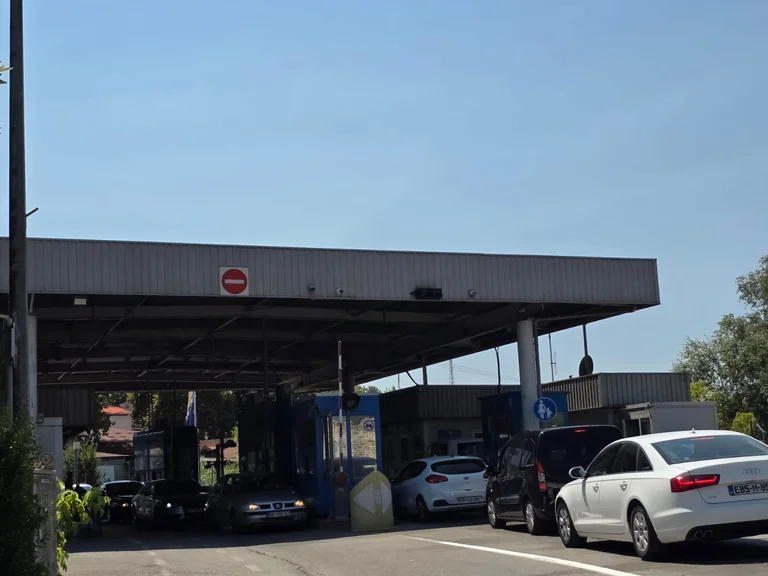
Beyond those hills lie names that history will not forget: Prijedor, Kozarac, Omarska, Keraterm, Trnopolje and Manjača, as well as many other names that no history can erase. These are places that became synonymous with camps, torture, disappearances and mass killings.
Thus, Hrvatska Kostajnica and its story about the Albanian have today become a fortress of freedom, beyond which the idea of “Greater Serbia” cannot extend.
So, Hrvatska Kostajnica is a reminder of how far the “Greater Serbia” project went—and where it was stopped forever.
In the territories of Bosnia and Herzegovina under Serbian control, visible from the free Croatian town, not all the missing persons have ever been found.
The ground is still holding the secrets of mass killings, just as in the northern parts of Kosovo that were once under the control of gangs linked to Belgrade.
Even as mass graves continue to remain a state secret in Belgrade, a veil of silence covers those who know anything about them. The bravest, however, have found the human strength to speak about the locations of mass graves despite the environment in which they live, but their fate is tragic, because the genocidal policy led from Belgrade cannot tolerate humanity.
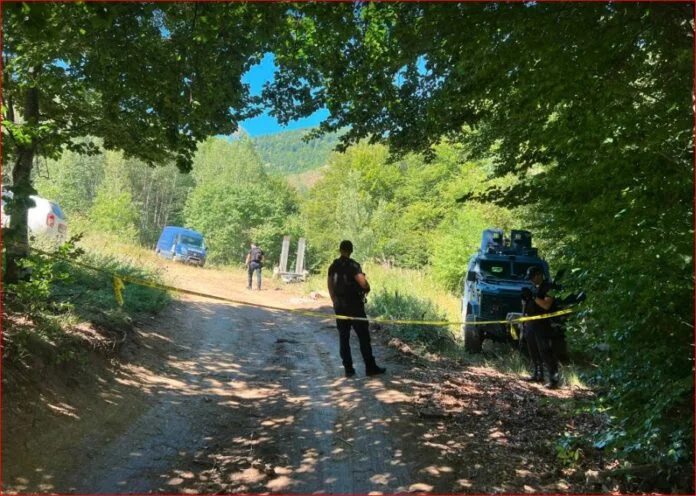
One of them was an elderly woman, Borka Ožegović, who had given testimony about a mass grave near Manjača. She was later found dead, reportedly, according to the RS entity police’s official report, during a burglary at her home. She was found with her hands and feet tied and cuts all over her body, while nothing had been stolen from the house.
A more or less similar fate befell a young Serb man who uncovered a mass grave near the Foča prison. According to the RS entity’s official report, he was killed “accidentally” during a fight in a café.
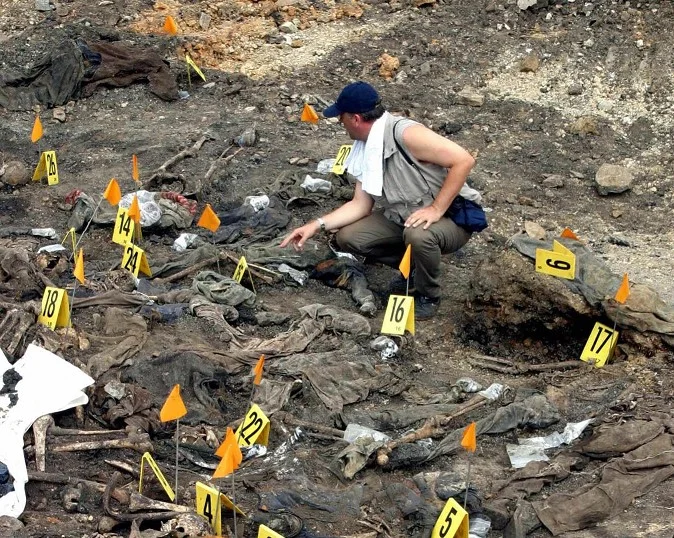
The witch hunt has begun in Serbia following the discovery of mass graves in Kalludër i Vogël and Jabuka in Zubin Potok, Kosovo. Even today, many of these crimes remain without a full answer, while families continue to seek the truth about their loved ones.
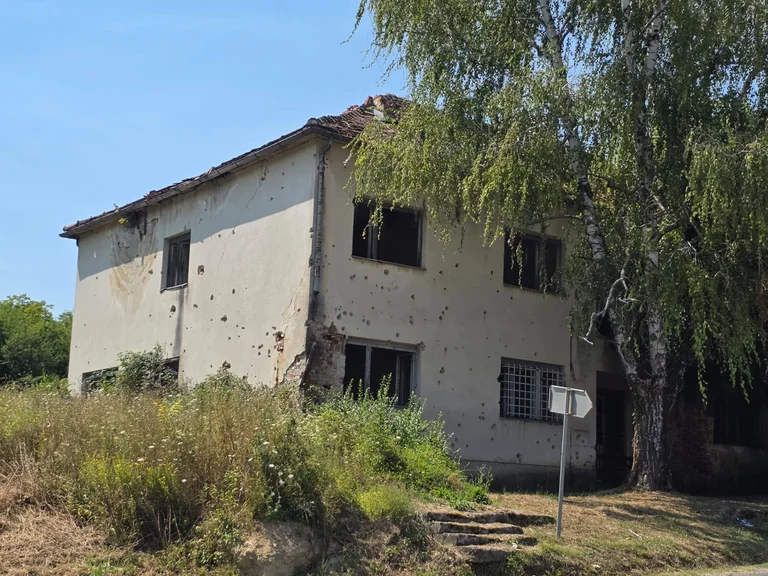
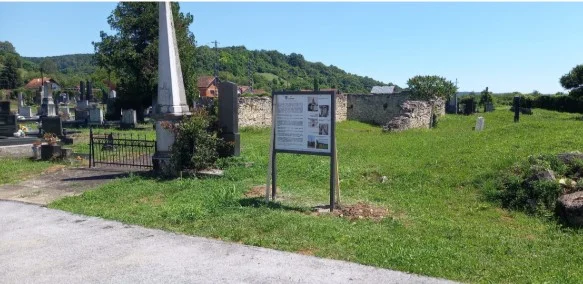
On the road to Hrvatska Kostajnica, the war can still be seen in the bullet-riddled walls of houses.
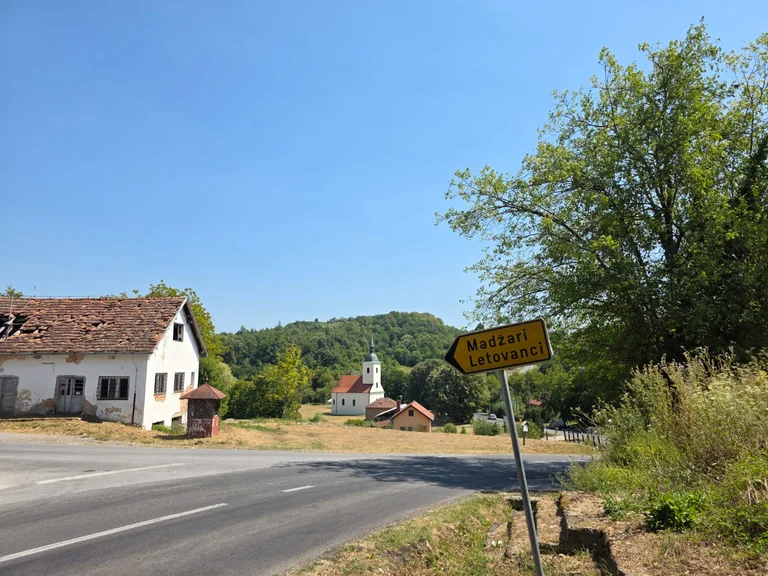
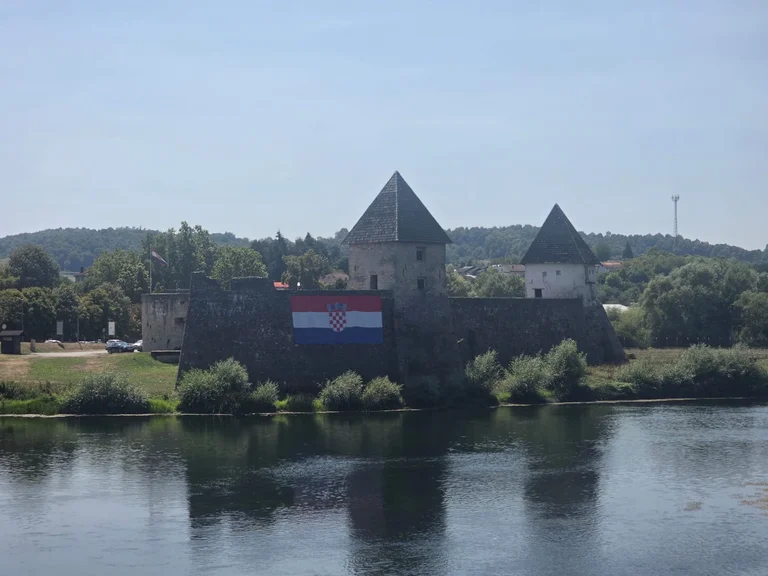
A little farther on, rebuilt houses and a rebuilt church appear, as does the medieval fortress that once protected the strategic crossing and the trade routes connecting Pannonia with Bosnia, and which continues to overlook the Una River to this day. These are scenes showing that the town has been rebuilt, but its memory has not.
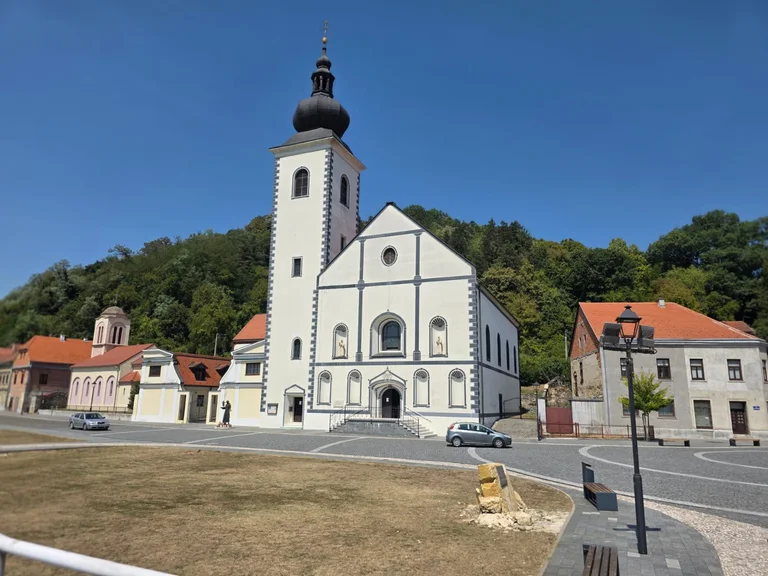
Perhaps this is precisely why Hrvatska Kostajnica is more than just a border town. It is a place where history continues to live on in every street, every wall and every testimony. And among them remains the question that once determined life or death: “Are there any Albanians among you?”














