
There’s No Fire in the Balkans Without Serbs
The fires that engulfed the Zadar area last week have left behind not only scorched land, but also questions that go beyond the usual account of a hot summer on the Adriatic. Four people have been arrested by Croatian authorities on suspicion of deliberately starting a series of fires. Three are Croatian citizens and […]
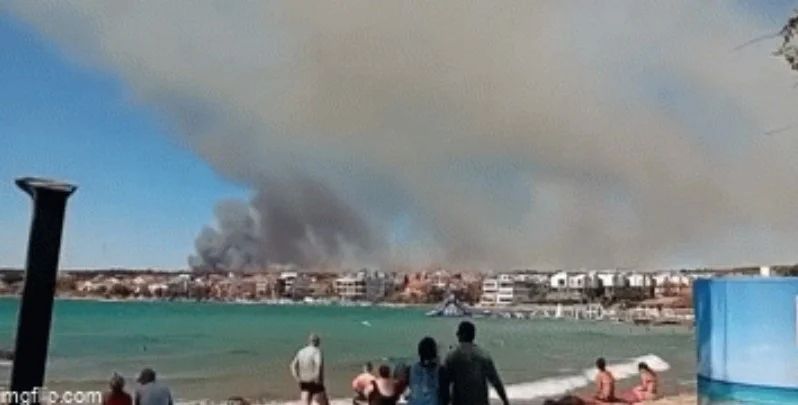
The fires that engulfed the Zadar area last week have left behind not only scorched land, but also questions that go beyond the usual account of a hot summer on the Adriatic.
Four people have been arrested by Croatian authorities on suspicion of deliberately starting a series of fires. Three are Croatian citizens and one is a Polish citizen, while according to reports, three of them are ethnic Serbs.
What makes the case troubling is the number: ten fires at different locations. When a fire starts once, it may be an accident. When authorities investigate ten blazes as deliberate arson, the question is no longer just: who started the fire?, but why and with what motive?
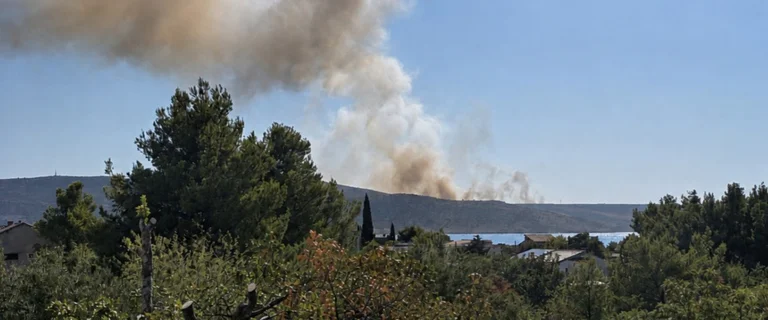
Ten fires—coincidence or coordination?
Did the suspects act together? Was there a division of roles? Were the locations selected in advance? Did they have specific knowledge of how fires spread? Naturally, the relevant Croatian institutions must provide the answers.
Ten fires suspected of being deliberate are reason enough to investigate the motives, communications, movements and connections of the people arrested.
From “putting out fires” to arson—the question that leads to Niš
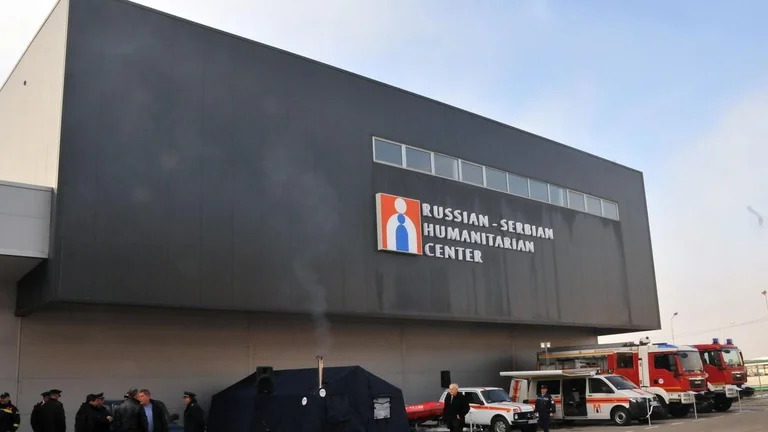
The Russian-Serbian Humanitarian Center has been operating in Niš for years. It was established by Russia and Serbia and specializes, among other things, in emergencies, rescue operations and firefighting. Training sessions and simulations for emergency situations have been held there with personnel from Serbia and the region, but this center nevertheless raises many questions about its true role.
This raises a question that the Croatian authorities should be able to verify: has it been checked whether any of those arrested in Zadar received training at the Russian-Serbian Humanitarian Center in Niš or had contact with people or structures connected to it? This may be one of the lines of inquiry that could be verified or ruled out as part of the investigation.
When fire becomes an instrument, it becomes a security issue
Sabotage and destabilizing operations on the old continent, Europe, do not necessarily appear in uniform. They can also be concealed behind incidents that initially seem like ordinary crime.
If it is confirmed that the ten fires were deliberately and coordinatedly started, it is not enough to find only the person who struck the match. The motive and any possible links outside Croatia must also be uncovered.














