
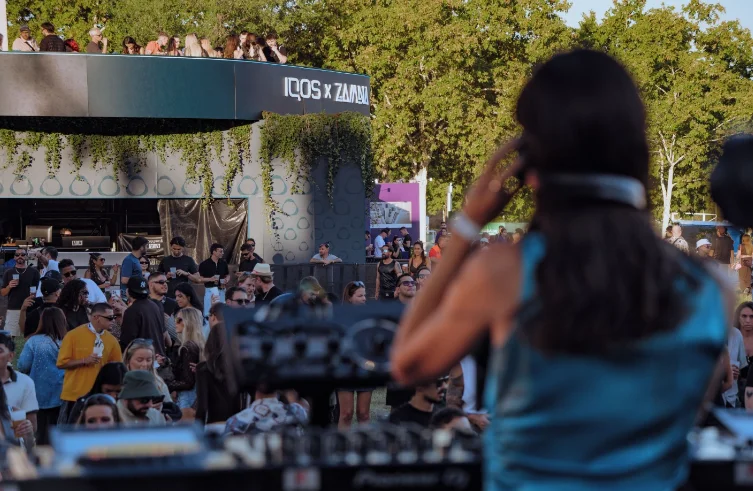
What will festivals of the future look like? Krist Martiro shares his experience at ZAMNA Madrid
How can a festive atmosphere coexist with care for the space that welcomes thousands of emotions? From music and stage design to environmental choices around plastic, energy and transport, ZAMNA Madrid provides a starting point for a conversation about the festivals of the future. Krist Martiro shares his perspective through an experience he recounted to his followers. Electronic music was at the heart of the evening, but the experience extended beyond the stage. At ZAMNA Madrid, the artistic programme, stage design and festival space brought the audience together at an event where the atmosphere was shaped as much by the artists as by the presence of the participating crowd. On September 11, at Universidad Autónoma de Madrid, Black Coffee headlined the programme, alongside AMÉMÉ, Argia, Avangart Tabldot and Pablo Fierro. The Madrid stop brought the ZAMNA concept, which originated in Tulum, where electronic music intertwines with stage design and elements of nature to create a shared experience. Among the attendees were several Albanian showbiz personalities, including presenter and deejay Krist Martiro. In a reel shared with his followers on Instagram, he recounted his experience at the festival: the music, the atmosphere and the audience. But alongside the evening’s emotions, Kristi also reflected on how these events are conceived and organized. In his reflection on a “responsible” festival, he mentioned environmentally conscious approaches to reducing plastic, using energy efficiently and promoting sustainable transport. It was an invitation to consider the decisions behind a festive event, too: how resources are used, accessible transport, and the environmental impact these activities have after they end, in the spaces where they take place. Watch the video by clicking HERE .
Kristi also connected this conversation to the “smoke-free” concept, part of the IQOS x ZAMNA collaboration.
“A smoke-free culture can also contribute to a cleaner environment, with less waste and fewer cigarette butts on the ground,” he said.
For Kristi, the discussion of responsibility also includes the partners involved in putting on the festival.
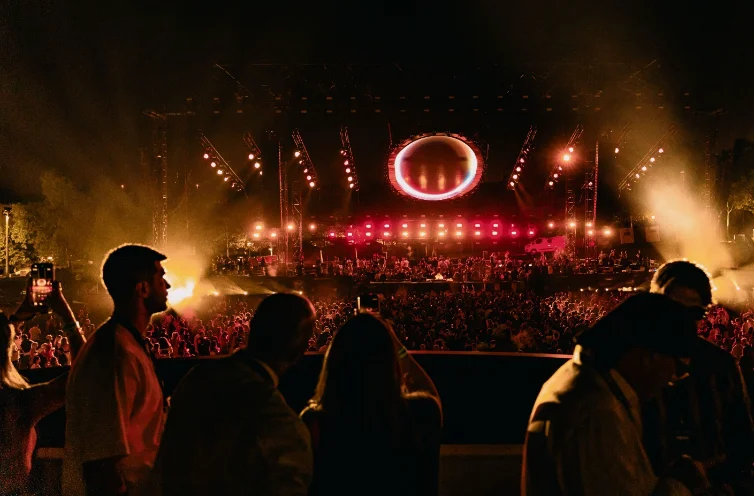
“And this is where big brands come in—not simply as sponsors, but as partners who influence how events are organized,” he said, before summing up his reflection with a question about the long-term success of these events: “The future of events is not just about how many people you can bring together; it’s also about what you leave behind.”














