Mustafa: Government should disclose which Serbian companies have traded energy with Kosovo and the value of imports
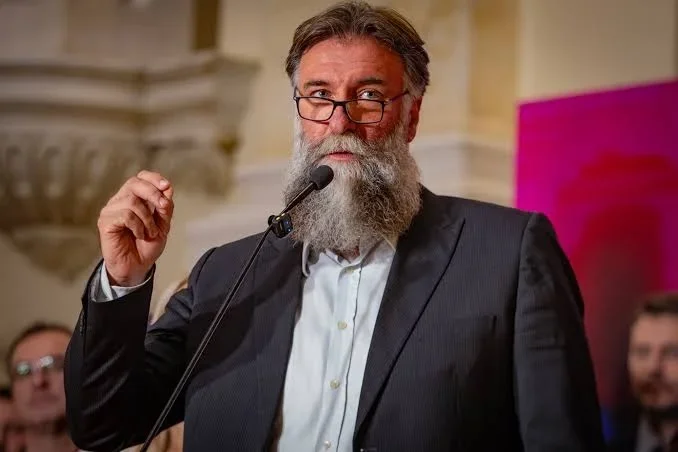
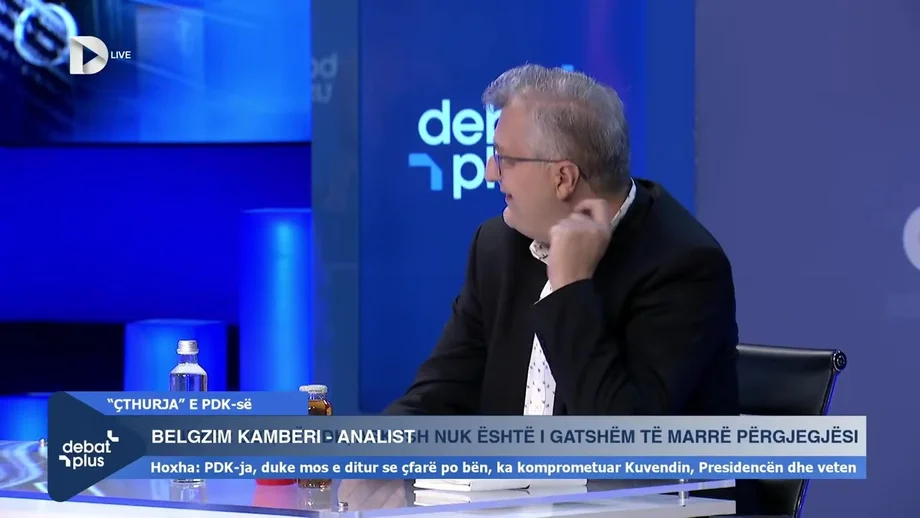
Democratic Party of Kosovo MP Arben Mustafa has called on the Government of Kosovo to clarify its decision to ban electricity trading with Serbian companies, raising questions about the measure’s actual effects, which companies will be affected, and the value of the energy traded so far.
In a conversation with Ekonomia Online, Mustafa recalled that government representatives, including Economy Minister Artane Rizvanolli, have repeatedly denied importing electricity from Serbia, while the latest decision to ban trading with Serbian companies, he said, calls for clarification on how such trading has taken place until now.
He raised the question of whether the government’s measure actually bans imports of electricity produced in Serbia or only trading with Serbian companies, stressing that it remains unclear whether companies from other countries can bring electricity produced in Serbia into Kosovo.
“And here are two important questions that need to be asked. The first is: does this measure really ban the import of energy from Serbia or not? Because the measure speaks of banning trading with Serbian companies, but does that mean that there could be non-Serbian companies that can bring Serbian energy to Kosovo? This is a question that requires an answer from the Government. And the other is that we need to know which Serbian companies have been supplying Kosovo with energy until now. Because if you ban something, you need to see what is being banned. And today we need to know which companies that have been operating in Kosovo until now are having their operations or cooperation with them stopped, and also what the value has been of the energy traded so far with these Serbian companies whose operations in Kosovo are now being banned,” Mustafa said.
The PDK MP also called for disclosure of the actual impact this decision will have on Serbia and whether the measure will be punitive in response to the blocking of cross-border capacities with Kosovo.
“So these are questions that need to be answered, because we need to know what the actual measures or effects of this decision will be. Does this decision have a real effect, and if so, how punitive will it be for Serbia? Because it makes no sense to present a measure as punitive toward Serbia if in reality it does not punish it. So we need to know how much Serbia will actually be punished for blocking cross-border capacities with Kosovo. Otherwise, we agree that there should be reciprocity, because Serbia has blocked cross-border capacities with Kosovo, causing major costs for Kosovo and its citizens, which have ultimately been reflected in electricity bills,” he stressed.
The MP from Gjilan criticized the Government for its delayed response to Serbia’s blockade, which, he said, has been in force since 2020.
“The latest development is that the Energy Community gave Serbia until July this year to release these capacities, but the measures by the Government of Kosovo were not taken even five months after that deadline passed. So we need greater clarity on why the Republic of Kosovo allowed Serbia to impose this blockade on Kosovo without a reciprocal response from the Republic of Kosovo toward Serbia. Why was trading with Serbian companies not stopped in 2020, but instead this entire period was allowed to pass, with all these imports of electricity and the large sums paid to Serbia, without any measure being taken in response to Serbia itself?” he said.
According to Mustafa, if this blockade did not exist, Kosovo would have the opportunity to buy energy in a more competitive market and potentially at a lower cost.
“The inability to transmit electricity through Serbia has made it much more difficult for Kosovo to access European markets to buy energy. If it were not for the Serbian blockade, Kosovo could have access to buy energy in a more competitive market and very possibly at a lower cost. But the blockade by Serbia has forced Kosovo to find other alternatives. However, this blockade has been in place for six years, and we should have responded to it. Our response is coming six years late, and even now that it is coming, we still do not know how much pressure it will put on Serbia,” he stressed.
The PDK MP reiterated that the Government should clarify whether its decision can be circumvented through companies from other countries, citing Greek and Albanian companies as examples.
“We do not know how many Serbian companies will have their trading in Kosovo stopped, or what the value of this trade was that the government’s decision is banning. And the other question is: will Serbia still be able to sell electricity to Kosovo through non-Serbian companies? Because the decision specifically refers to Serbian companies. So can a Greek company, can an Albanian company sell Kosovo electricity produced in Serbia? These are questions we still have not received answers to, but we will continue to insist on obtaining answers to these important questions on this subject.”
Regarding the country’s energy situation, Mustafa said that Kosovo is facing a deep crisis, which, he said, is now being acknowledged by the Government itself through the announcement of emergency measures.
“The Government is now also acknowledging that Kosovo is in a deep energy crisis, because we have seen the emergency measures drawn up and announced by the Government of Kosovo, and what we are seeing is that we continue to find ourselves in situations requiring emergency measures, but we are not seeing progress from one winter to the next. Today there is no indication that Kosovo is better prepared for winter than it was five years ago. And we need to ask a fundamental question: what has been done in these five years? Why are we not better prepared today than we were five years ago?”
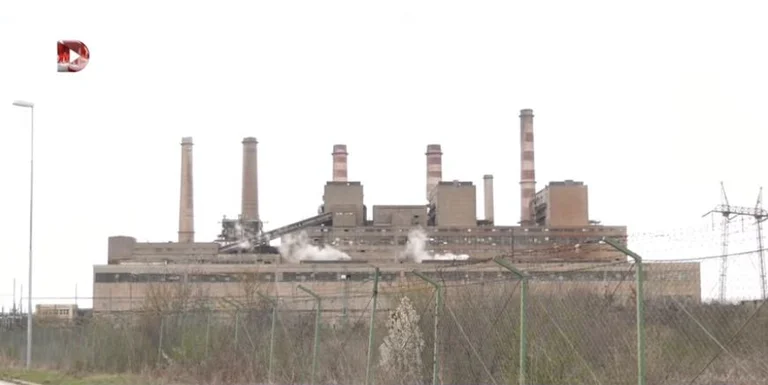
Mustafa also raised concerns about the lack of domestic generation capacity, stressing that Kosovo is entering winter without one of the important units of the Kosovo Energy Corporation (KEK), block B1.
According to him, this unit produces approximately one third of KEK’s total capacity, while its return to production, scheduled for December 9, is not expected to happen on that date.
“And the way we are entering this winter is not only that Kosovo has failed to build new capacity; we are also entering it without our existing capacity. KEK’s B1 block produces approximately one third of KEK’s total capacity. Kosovo is entering winter without this unit. It was planned that this unit would return to production on December 9, but Minister Rizvanolli has now acknowledged that it will not return on December 9, and they have also not given a date for when it will return. This means that Kosovo is entering winter with a very large shortfall in domestic generation, and all of that shortfall will be made up through imports. Imports come at prices much higher than domestic production, and those higher prices are ultimately borne by the citizens of Kosovo in their electricity bills, which have already risen considerably, and there will most likely be further increases in electricity prices based on what we are seeing in this market,” he said.
Mustafa added that citizens will face the consequences of the shortfall in domestic generation through the need to import energy at higher prices, which, he said, could lead to further increases in electricity bills.
In another development, this month the Government of Kosovo approved a decision to completely ban electricity trading with enterprises originating from Serbia at a meeting held on November 16, 2026.
According to Prime Minister Albin Kurti, Serbia has blocked cross-border interconnection lines since December 2020, making it impossible for energy to flow freely from other countries to Kosovo, causing high financial costs and also violating the Energy Community’s obligation to release the lines by July 2026.