Netanyahu and Eisenkot Discuss Forming a Government, but Plan No Further Meetings
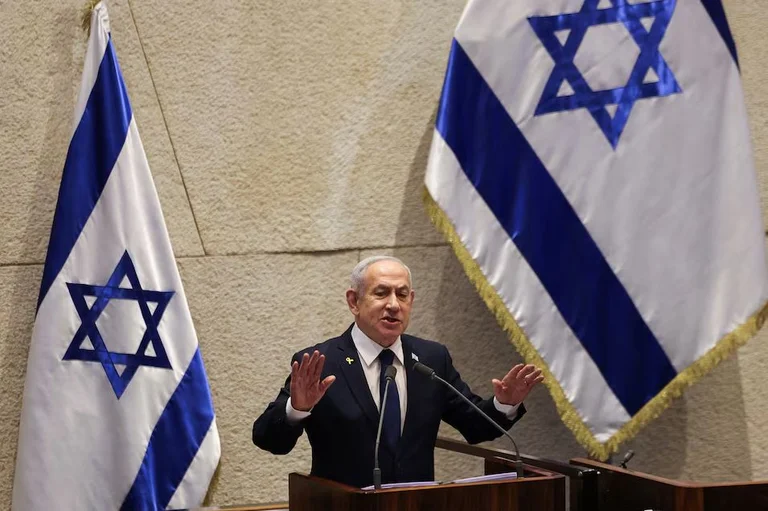
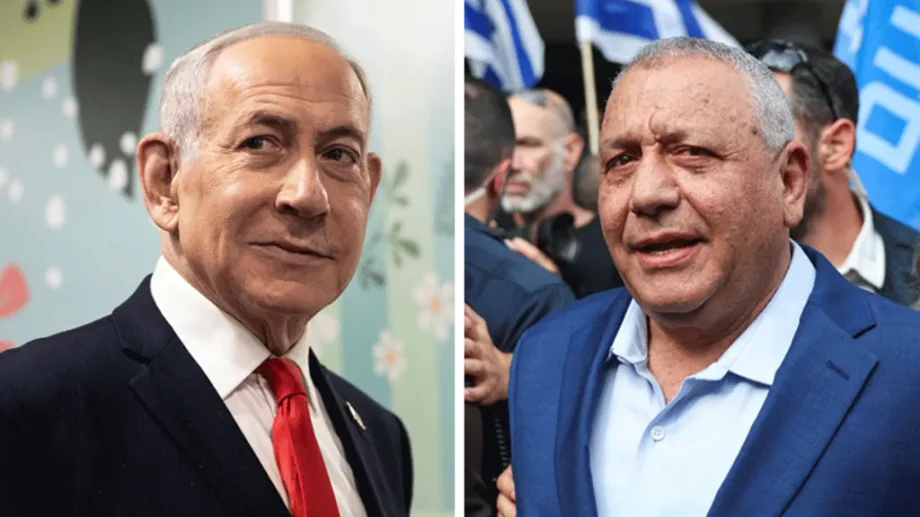
No further meetings are planned between Israel’s caretaker prime minister, Benjamin Netanyahu, and opposition leader Gadi Eisenkot following Sunday’s talks, which aimed to overcome their differences over forming a national unity government.
Netanyahu, leader of the right-wing Likud party, and Eisenkot, head of the centrist Yashar party, met on Sunday to discuss the possibility of forming a joint government after the political deadlock created by last month’s election, BBC reports.
In a joint statement, the two parties described the talks as constructive and conducted in a working spirit. However, according to reports in the Hebrew media, major differences remain between the sides, and it has been decided that the negotiating teams will hold no further meetings.
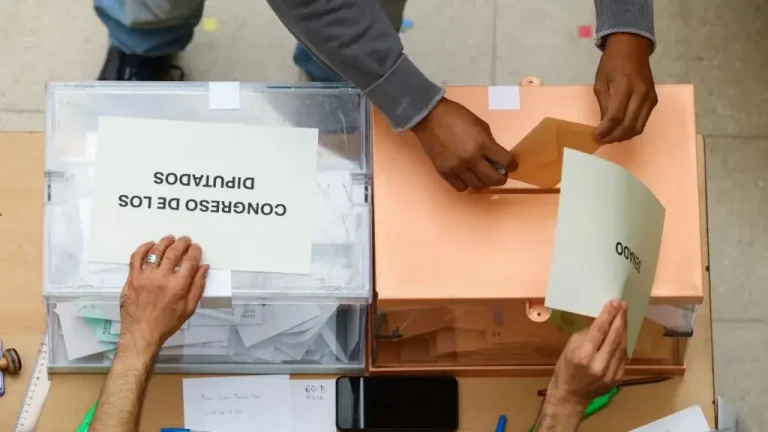
In the October election, the bloc led by Netanyahu won 53 seats, while Eisenkot’s coalition, made up of four parties, secured 48 seats. Neither managed to secure a majority in the Knesset, Israel’s 120-member parliament.
After failing to reach an agreement with Likud, Eisenkot has decided to continue negotiations with the parties already in his bloc to form a government. However, he has left open the possibility of Likud joining the coalition at a later stage, the newspaper Haaretz reported, citing sources.
Eisenkot has until December 6 to form a government.
Sunday’s talks took place after Netanyahu had proposed forming a unity government with a rotating prime ministership and without the participation of Arab parties. He had said he was willing for Eisenkot to take the post of prime minister first, but did not specify the length of his term.
In a post on the X platform on Saturday, Netanyahu had said his responsibility as a leader obliged him to set everything aside, including the principle that the largest party should lead the government.
He had added that he accepted Eisenkot becoming prime minister first, while he himself would serve as deputy prime minister at the start of the term.
In response, Eisenkot had invited Netanyahu to engage in genuine and accelerated negotiations.
On Friday, Eisenkot had accused Likud of dragging out coalition negotiations in order to send the country to another election.
Meanwhile, Israel’s president, Isaac Herzog, had held consultations with all political parties during the week following the October 27 election, before entrusting Eisenkot with the mandate to form a government, giving him 28 days.
Eisenkot is trying to create a coalition to remove Netanyahu from power and has so far reached coalition agreements with two parties.
However, his efforts have been hindered by opposition to cooperating with Arab parties, as well as difficulties in reaching agreements with ultra-Orthodox parties.
In the latest election, two alliances led by Arab parties, the United Arab List and the Joint List, won a total of 19 seats, following an increase in turnout among Arab voters.
This potentially gives them decisive influence in forming a government. However, almost all Jewish parties had promised before the election that they would not cooperate with Arab parties to form a government.
Netanyahu had justified his proposal for a unity government by pointing to the existential danger Israel faces, according to him, warning that a government without the capacity to confront this danger could come to power.
Eisenkot, for his part, had said that if Likud was willing to engage in genuine cooperation, he was prepared to assess the seriousness of the proposal within 24 hours.
In Israel, no political party has ever managed to win an absolute majority in parliament, so all governments have been formed through coalitions.
The 2019–2022 period was among the most unstable in Israeli politics, as the country held five elections after Netanyahu and his rivals repeatedly failed to reach agreements on forming a joint government.